


Senior representatives from The Wholesale Group recently visited Dublin to see deposit return scheme (DRS) reverse vending machines operating in a live retail environment, as the UK wholesale sector prepares for the scheme’s introduction.
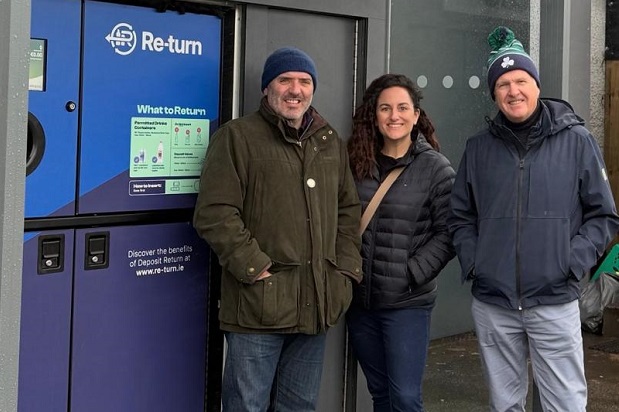 Managing Director Tom Gittins, Retail Controller Kirsty Winkel and Chairman Mark Aylwin travelled to Ireland in early February to observe how the system is functioning in practice and to assess the potential opportunities for independent retailers supplied by the Group’s members.
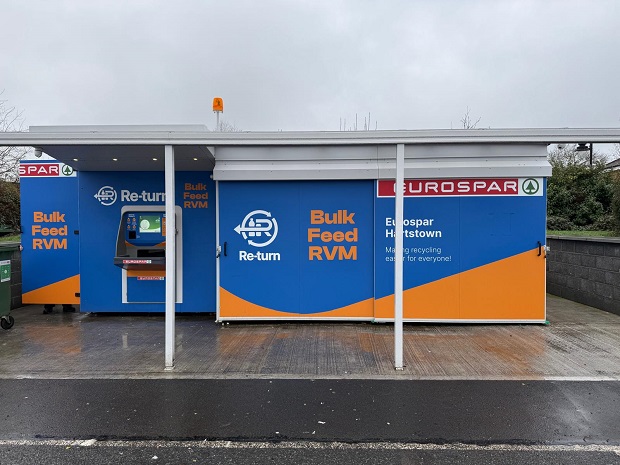
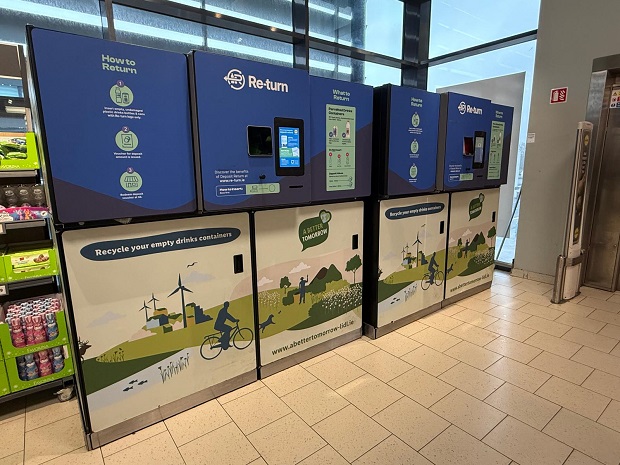 During the visit, hosted by reverse vending technology specialist Envipco, the delegation toured a range of retail sites featuring machines installed both inside and outside stores. The team also visited one of Ireland’s large-scale ‘Quantum’ machines, capable of accepting bags containing up to 200 bottles in a single transaction.
 Tom Gittins explained that the visit was driven by a desire to understand how the scheme could support independent retailers and wholesalers across the supply chain.
“We feel that the introduction of DRS next year provides a big opportunity for local convenience stores, the customers of our retail members within The Wholesale Group,” he said. “We had seen statistics about how reverse vending machines drive footfall across other DRS territories, and we were keen to learn more.”
One retailer visited during the trip reported that footfall had increased significantly following the installation of a reverse vending machine, with customers travelling considerable distances specifically to use the facility.
The visit has also helped shape the Group’s preparation plans for the UK rollout.
“We learnt a huge amount from seeing the scheme in operation,” said Gittins. “Following the visit, we have already met with our Coca-Cola contacts to begin putting plans in place so that The Wholesale Group members can maximise the opportunities DRS will bring across the supply chain.”
Alongside the potential commercial benefits, the delegation also observed how DRS schemes can support community initiatives. Machines in Ireland often allow consumers to donate their deposit refunds directly to charities, while some schools and local organisations collect bottles to fundraise for community projects.
Gittins added that the wider environmental impact of deposit return schemes across Europe has also been significant.
“The scheme is really working across Europe, with places like Germany now recycling more than 90% of eligible products,” he said. “In Ireland, plastic recycling has already increased by around 20% within the first year of the scheme.”
“For wholesalers and their retail customers, there is a clear opportunity. Combining increased footfall with the chance to support sustainability initiatives makes DRS something the sector should actively prepare for.”
The Wholesale Group says it will continue working with suppliers and members to help the sector understand and implement the scheme effectively as the UK rollout approaches.
“DRS presents both opportunities and challenges for the wholesale and convenience sectors.”
Gittins concluded. “If implemented well, it has the potential to drive additional footfall into local stores and support recycling targets. However, it will be critical that the scheme is delivered in a way that works for convenience retailers and does not disadvantage them operationally.”
“We will be doing everything we can to help our members prepare and ensure their retail customers are ready — because there are potentially big wins for the sector, providing we get it right and ensure convenience stores are prioritised.”
Comments are closed.