

Chilled and frozen consumers are demanding affordability, convenience, and reduced food waste amid ongoing economic pressures.
 Shoppers are seeking budget-friendly alternatives to fresh groceries. The extended shelf life of chilled and frozen food helps households manage food budgets, while inflation encourages switching from fresh to frozen items.
Ready-to-eat meals save time for busy, urban households.
Air fryer ownership is surging, boosting quick-cooking frozen foods, with millennials increasingly viewing frozen foods as viable meal options.
Freezing locks in nutrients and minimises household food waste, which aligns with eco-conscious modern consumer priorities.
Perceptions of frozen food quality and taste have improved and the category is expanding into plant-based, vegan, and global cuisines.
Sweet frozen categories are experiencing double-digit momentum.
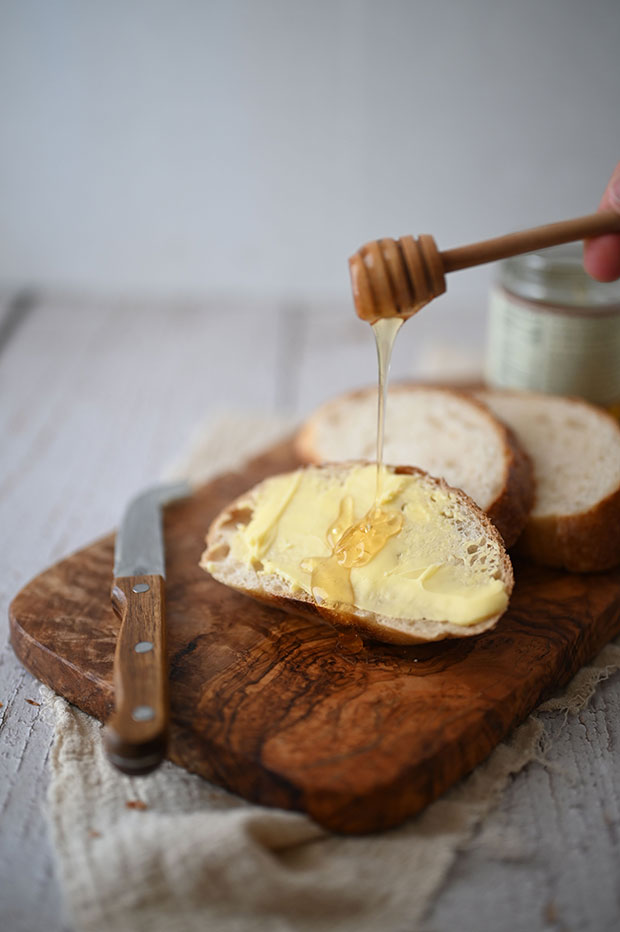
Kerrygold is leading the UK block butter market as the top-performing block butter brand across all retail environments, with Kerrygold Spreadable standing out as the only spreadable butter brand experiencing growth (Circana IRI All Outlets GB, 12 and 52 weeks ending August 8, 2026).
This expansion is strongly reflected in the convenience sector, where Kerrygold’s value sales grew by 9.2% over the past 12 months (Circana Convenience GB, 52 weeks ending August 8, 2026). A major driver behind this boost is the 200g price-marked pack (PMP) retailing at £2.79. Sales for Kerrygold PMPs surged by 9.3% in value, exceeding 2.2 million packs sold across UK convenience stores over the last year (Circana Convenience GB, 52 weeks ending August 8, 2026).
Brand momentum has been reinforced by new product development and high-impact marketing, notably the multi-channel “Make it Gold with Kerrygold” campaign running through Autumn 2026—the brand’s largest-ever UK promotional push celebrating its grass-fed Irish dairy, premium quality, and taste.
Commenting on the brand’s performance, Lucy Hay, Kerrygold UK Senior Brand Manager, said: “The ongoing sales success of Kerrygold demonstrates that there is strong consumer demand for accessible premium brands in the butter category that deliver on taste, provenance and simplicity – values that make Kerrygold the brand of choice for a growing number of shoppers. As such, Kerrygold and the stocking of our increasingly popular price marked packs represent a ‘golden opportunity’ for wholesalers and their convenience store customers.”
UK consumers’ demand for cheese remains strong, making it a critical category for chilled food retailers. Total cheese sales have reached over £4.6 billion, growing 3.5% in value over the past year, while core cheddar sales in the convenience sector are worth approximately £227 million annually (Circana All Outlets GB, 52 weeks to August 8, 2026).
Highlighting the importance of brand selection, Sarah Burrow, Marketing Controller at Ornua Foods UK, owners of Pilgrims Choice, the UK’s No.2 cheddar brand, notes: “Research by the Institute of Grocery Distribution (IGD) from 2024 showed that over half of all convenience store trips included a stop at the dairy fixture, and those shoppers are actively seeking out high quality, trusted brands like Pilgrims Choice.”
Shift in shopper behaviour further underscores this trend. Recent data reveals that over half of convenience shoppers now pre-plan their purchases, expecting quality, reliability, and mealtime inspiration alongside speed (IGD Quarterly Channel Update Report Q1 2026, April 2026).
Everyday block cheddar accounts for more than a quarter of all retail cheese sales due to its versatility across meal occasions. Pilgrims Choice has capitalised on this demand, experiencing significant growth in convenience stores across Great Britain over a recent 12-week period, with block cheddar sales rising +9.8% in value and +28% in volume (Circana Convenience GB, 12 weeks to August 8, 2026).
Commenting on the commercial potential for convenience stockists, Burrow explains: “For retailers the opportunity is clear. A strong, trusted cheddar brand is still a must stock, but there’s also a clear role for products that bring something new to the fixture and capture shoppers’ attention.”
Pilgrims Choice offers Mature, Extra Mature, Vintage, Lighter, sliced, grated, and innovative flavoured cheddars designed to drive fixture navigation.
Driven by cost-of-living pressures, consumers are increasingly turning to frozen food to manage budgets, reduce waste, and simplify meal planning without sacrificing quality. Claire Hoyle, Head of Marketing – Local Brands at Birds Eye UK & IE, highlights that frozen food serves as a practical, reliable enabler of healthier lifestyles and financial control.
A central factor driving this shift is waste reduction and portion management. “In a climate where shoppers are looking to make their budgets stretch further, frozen food can help contribute to the solution,” Hoyle explains, noting that flash freezing locks in nutrients at peak harvest while allowing households to prepare precise quantities. The financial benefit of this longevity is significant, with research showing households estimate they could save £539/€624 a year by making better use of their freezers.
The changing dynamics of dining out have also elevated frozen food to a primary mealtime choice. Rising restaurant and delivery costs are pushing shoppers toward convenience at home. “We’re seeing consumers look for options that feel like a restaurant experience but can be enjoyed without the costs associated with dining out and at greater convenience,” says Hoyle.
Furthermore, freezers are evolving from backup options into strategic planning tools. Consumers are increasingly tailoring their shopping habits around available freezer space to reduce store visits. To capitalise on these shifting habits, Hoyle advises focusing on the broader value proposition of the category: “Whether it’s less waste, longer shelf life, portion control or flexibility there is a real opportunity to communicate around the full proposition of what frozen can offer.”
Changing consumer habits are reshaping the savoury pastry category, with convenience shifting beyond speed toward meeting flexible lifestyles, premium quality, and provenance. Ginsters, Britain’s leading savoury pastry brand, holds an 8.9% market share, with over 7.5 million shoppers and a 70% repeat purchase rate (NIQ Total Mults, 52 w/e June 2026; Kantar, 52 w/e June 2026).
Addressing these evolving trends, Sarah Babb, Marketing Director at Ginsters, notes: “Changing consumer habits are reshaping the Savoury Pastry category and convenience is no longer just about speed, but also about meeting the needs of increasingly flexible lifestyles. Shoppers are looking for great tasting food with quality ingredients and products that fit seamlessly into modern lifestyles with exciting flavours.”
A major driver of this change is consumer demand for British provenance, with 80% of shoppers preferring British meat, a segment growing at +3.5% YoY (Samworth Brothers British Meat Survey, July 2026). Ginsters aligns with this by using 100% British beef and locally sourced vegetables.
Innovation has also targeted the 77% of consumers craving hot, quick lunches (Workplace Insight). In October 2025, Ginsters launched the Pastry Toastie, heatable in a toaster, delivering over £445k in incremental sales and earning Mintel’s 2026 Most Innovative Award (NIQ Total Market, 12 w/e Dec 2025). Highlighting NPD momentum, Babb comments: “Ginsters recognise the power in the growth of Fresh & Chilled and aim to build on the nation’s love of Savoury Pastry, by tapping into the desire for exciting new products.”
Ginsters Original Cornish Pasty 227g remains the No.1 product by volume and value in the category, supported by the Peppered Steak Slice (No.3) and Sausage Roll 130g (No.5) (NIQ Total Chilled Savoury Pastry, 52 w/e May 23, 2026).
The Heinz Beanz and Cheese Slice generated 32% incremental sales, with 37% drawn from pre-family shoppers (Kantar, 52 w/e Jan 2026).
A new Beef & Ale Pasty featuring local Cornish Ale and a Garlic Chicken Slice were launched in September.
Shoppers are increasingly turning to frozen foods to manage household budgets, reduce food waste, and support flexible lifestyles without compromising on quality. As the frozen potato category continues to perform strongly, McCain is capitalising on these shifting consumer habits through both established staples and air-fryer-focused innovation.
Highlighting how frozen options help consumers maximise their spending, Naomi Tinkler, Director of Category Growth at McCain, notes: “Our big bag formats provide more portions, helping shoppers make the most of their weekly shop while giving them the flexibility to use exactly what they need. At McCain, we deliver this without compromising on taste or quality, giving shoppers a convenient way to create delicious meals at home.”
Longer shelf lives also play a critical role in curbing household waste by letting shoppers cook only what they need and save the rest. Rising dining-out costs have further accelerated the growth of at-home dining. As shoppers seek value, quality, and convenience, frozen potato products have become an essential freezer staple. According to Tinkler, frozen items offer significant practical and financial benefits for households looking to manage their budgets without compromising on taste.
Tinkler highlights the role of larger formats and longer shelf lives in maximising grocery budgets and curbing food waste: “Our big bag formats provide more portions, helping shoppers make the most of their weekly shop while giving them the flexibility to use exactly what they need.
“This means shoppers can keep products such as Home Chips and Crispy French Fries on hand, cooking only what they need and saving the rest for another occasion, helping them get more value from their purchases while reducing food waste.”
Driven by rising dining-out costs, consumer spending is shifting toward at-home social occasions and “cosy nights in.” To meet these evolving habits, McCain focuses on product innovation alongside its core bestsellers, which include Home Chips, Crispy French Fries, and Baked Jacket Potatoes. Newer additions like Air Fryer French Fries, Air Fryer Hash Brown Bites, and the globally inspired Vibes range, featuring flavours like Salt & Vinegar and Mango Chutney, tap directly into air-frying trends and relaxed sharing moments.
To support these products, McCain launched its ‘Dad Joke Effect’ campaign in partnership with the charity Beyond Equality, using an integrated OOH, AV, earned, and social media push to show how food and humour help bring families together.
Looking ahead, Tinkler points to continued momentum across the category and brand portfolio as consumer lifestyles evolve: “As we move into 2027, we are continuing to innovate and look forward to revealing some exciting new products that deliver on quality and convenience for our customers.”
As the UK’s No.1 meat-free brand, Quorn Foods is driving category recovery and outperforming competitors by focusing on affordability, health, and clear nutritional messaging (NIQ Panel, 52 w/e Dec 29, 2025). Marlow Foods ended 2026 outperforming the broader meat-free market across 4-, 12-, and 52-week metrics, driven by its dominant frozen portfolio where Quorn accounts for seven of the top 10 SKUs, including Quorn Mince 500g at No. 1 (NielsenIQ Retail Measurement; NIQ, 52 w/e Oct 4, 2025).
Retailers have a major opportunity to capitalise on meat-free shoppers, who spend 86% more on average than non-meat-free shoppers (NIQ Panel, 52 w/e April 19, 2025). Highlighting the category’s potential and the path forward, Lucy Grogut, Marketing Director at Quorn Foods, notes: “Ultimately, the future of meat-free lies in making it a truly mainstream choice, and that’s not something we can achieve alone. We’re passionate about working closely with retailers in a collaborative and meaningful way to fully unlock the potential of the category.”
Value remains a primary driver. With inflation pushing meat prices up 9% and chilled beef mince costing 40% more per kg than frozen Quorn Mince, Quorn’s ‘Big Bag Great Value’ formats offer an accessible, budget-stretching alternative for families balancing health and cost pressures (NIQ, 12 w/e Sept 6, 2025; NIQ Homescan, Mar 2025).
At the same time, Quorn is proactively addressing ultra-processed food (UPF) debates by removing artificial ingredients from core frozen lines and spotlighting transparent nutritional benefits on-pack. Outlining Quorn’s mission to counter consumer confusion around UPFs, Grogut explains: “As the No. 1 brand within meat free, it’s now more important than ever for Quorn to cut through the widespread generalisations and disrupt that conversation with fact-based messaging around health and nutrition.”
Over 90% of Quorn’s portfolio is non-HFSS. With 53% of UK shoppers prioritising nutrition and 90% aware of UPFs but only 43% able to explain them, front-of-pack cues like “High Protein” and “No Artificial Ingredients” drove a 3-point bump in brand recommendation in Q3 (NIQ Global Health Survey 2025; Vpyr Research, Sept 2024; Blue Yonder, Q3 2025).
Containing 6g of fibre per 100g, Quorn mycoprotein aligns directly with rising consumer interest in gut health and balanced diets.
Quorn has returned its chilled ingredients staple: Quorn Chilled Mince, now free from artificial ingredients.
Quorn Chilled Mince (230g, RRP £2.79, Serves 3) is the first chilled product to join Quorn’s No Artificial Ingredients range and provides an easy and delicious base for speedy midweek meals, cooking in under 10 minutes. With high protein and fibre and low saturated fat, there’s just 73 kcals per serving and only four ingredients, making it a nutritious swap that’s set to satisfy demand and help drive incremental category growth in chilled meat free.
Grogut says: “We’re excited for the first chilled product to join Quorn’s No Artificial Ingredients range. After the huge success of our frozen range, and growing consumer demand for our Chilled Mince, we knew it was the perfect next step on this journey.”
In frozen, Quorn’s No Artificial Ingredients range has been helping to drive brand growth. After removing all artificial ingredients from its core frozen ingredients range, Quorn’s brand recommendation jumped 3 points (Blue Yonder). Brand perceptions also improved across the board post-launch, with shoppers rating Quorn higher on taste, health, quality, and value (Blue Yonder). The first chilled addition to this range will build on that success, reinforcing Quorn’s category leadership and driving retail sales.
Quorn, the number 1 brand in meat free meal centres (Nielsen IQ), also expanded its frozen meal centres offering with the launch of a brand-new midweek meal solution: Lemon & Pepper Schnitzel (220g, RRP £2.85, Serves 2).
Air fryer to plate in under 15 minutes, this NPD taps into growing demand for quick and convenient midweek meal solutions that are packed with flavour.
Featuring a golden crispy crumb, enriched with zesty lemon and an unmissable hint of black pepper, the product delivers an attractive flavour profile with proven popularity, alongside a satisfying crunch.
Ideal for fuss-free lunch or dinner, these delicious vegetarian Schnitzels are set to become a new midweek must-have for shoppers.
Grogut adds: “Within meat free, the biggest frozen category is meal centres (£86M, Nielsen IQ), with Quorn growing ahead of market (Nielsen IQ) and particularly seeing strong growth in meal centres, with sales value increasing to £37.27 million (+2.9% vs. YA, Nielsen IQ).
“We’re driving this momentum forward by continuing to bring exciting new products to market, that tap into high-value growth sectors within the category.
“Versatility and taste remain key focus areas for us. Today’s shoppers are looking for products that make it easy to create exciting, convenient meals at home. Our new Lemon & Pepper Schnitzel is perfectly placed to elevate easy midweek meals.”
As plant-based eating becomes increasingly integrated into everyday dining, consumers are prioritising value, health, and convenience without sacrificing taste. According to Adam Lyons, CEO of Meatless Farm, frozen plant-based options are uniquely positioned to meet these demands by providing budget-friendly versatility and portion control across familiar meal occasions.
Rather than viewing the sector as a niche, Lyons emphasises that the market extends well beyond vegan shoppers: “For wholesalers, that makes plant-based a mainstream meal solution rather than a niche vegan purchase, appealing to vegans, vegetarians, flexitarians and anyone looking to reduce their meat intake.”
Key market trends, including high protein, air-fryer cooking, and the shift toward “cosy nights in”, are reshaping consumer behaviour. Longer shelf lives in the freezer help households stretch budgets and reduce food waste by allowing shoppers to prepare only what they need. Rather than over-complicating the fixture with unnecessary new product development (NPD), Meatless Farm focuses on core, familiar formats like mince, sausages, meatballs, and nuggets.
Highlighting the growth potential within the category, Lyons notes: “Consumers still want affordable food, but they’re increasingly looking for taste, quality and nutrition alongside price. The key is to treat plant-based as part of the mainstream frozen meal solution, not a specialist niche.”
Meatless Farm’s mainstream retail relationships with Morrisons and Asda, alongside its standout Pork & Apple Sausages, demonstrate strong consumer demand. The brand also leverages foodservice partnerships with Brakes and Bidfood to support the wholesale sector with recipe inspiration and digital assets.
Urging stockists to capitalise on the freezer fixture, Lyons advises: “Don’t make the plant-based fixture too complicated. The biggest opportunity is to focus on products shoppers immediately understand and know how to use. There is a significant opportunity to use frozen to deliver both shopper value and retailer profitability.”
Tyson Foods Europe is strengthening its presence across the UK wholesale and foodservice sector by positioning itself as a strategic partner rather than just a product supplier. Combining global expertise with local insights, the company focuses on solving operational kitchen challenges, such as rising labour costs, food inflation, and kitchen complexity, while meeting evolving consumer demand for bold, authentic global flavours.
Outlining the company’s commitment to supporting the foodservice trade, Jean Carlos Borga, Managing Director of Tyson Foods Europe, explains: “Whether we’re working with wholesalers, distributors or operators, our objective is always the same: to help our customers succeed by combining global expertise with local market understanding. Innovation isn’t simply about creating another product. It’s about understanding the challenges facing professional kitchens and developing solutions that help businesses respond confidently to changing consumer demand.”
Tyson Foods shapes its product development around both consumer taste trends and kitchen practicalities. Offerings like Tyson® Coated Chicken Karaage, Red Thai Chicken Strips, and Crispy Shredded Chicken offer versatility across multiple menu occasions, from lunchtime wraps to evening loaded fries, helping operators refresh menus, reduce stockholding, and minimise waste.
Highlighting this dual-focus approach to product development, Borga notes: “We don’t only ask whether consumers will enjoy a product, although that is definitely where it begins. We also ask how it helps the operator. Can it reduce complexity? Can it save time? Does it have multiple menu applications?”
To help wholesalers succeed, Tyson Foods emphasises trust, consistency, and operational value over price alone. Borga summarises the company’s core guiding philosophy: “If we can provide products that combine great flavour with versatility, operational efficiency and commercial relevance, wholesalers can have much more meaningful conversations with operators. They’re no longer just supplying products — they’re delivering practical business solutions.”
As consumers seek budget-friendly, convenient meal options without compromising on quality, frozen and chilled foods have become essential staples for managing household spend and reducing waste. Haldiram’s is benefiting from this shift across both categories, leveraging high consumer awareness, trusted quality, and a long-standing heritage.
Highlighting how changing habits and extended shelf lives support household budgets, Rhea Agarwal, Commercial Director UK & EU at Haldiram’s, notes: “Consumers are increasingly looking for products that offer value and convenience. Frozen and chilled foods allow households to plan meals more effectively, reduce impulse spending and manage portions with greater ease.”
Rising dining-out costs are also accelerating the growth of at-home dining. Thanks to advances in cold-chain logistics and food technology, shoppers are re-creating restaurant-quality experiences through premium frozen ready meals. To capitalise on these trends, Haldiram’s continues to see strong demand for its bestselling chilled desserts—such as Kesar Rasmalai and Gulab Jamun—and frozen savoury favourites, including Aloo Tikki, Punjabi Samosas, and wraps.
Looking ahead, Agarwal emphasises that delivering an authentic eating experience is the primary key to long-term category growth: “While value remains important, quality and taste are becoming the key differentiators. Brands that can consistently deliver an authentic, high-quality eating experience in convenient formats are likely to see the strongest growth.”
To maximise sales in wholesale and retail channels, Haldiram’s supports its partners through social media marketing, radio campaigns, in-store branding, and e-commerce availability. Advising wholesalers on how to drive repeat purchases, Agarwal explains: “Clear communication of a product’s unique selling points is essential. Whether it’s authentic taste, convenience, premium ingredients or the absence of artificial additives and preservatives, these benefits should be clearly highlighted.”
Innovations like Individually Quick Freezing (IQF) have transformed frozen produce into a premium, nutritionally dense option that extends shelf life and reduces waste for both households and foodservice operators. Place UK, a family-run business growing British produce, leverages this shift alongside flexible packaging solutions, such as 1kg units, to help businesses lower storage costs and simplify kitchen operations.
Highlighting the changing perception of the category, Dave Bush, Out of Home Business Manager at Place UK, notes: “The perception of frozen food has also shifted; once seen as a cheap, low-quality alternative to fresh food, it’s now being recognised for its value in nutrition, reducing food waste and affordability, making it a natural choice for businesses and shoppers.”
Evolving dining trends are also shaping the market. While rising dining-out costs are driving interest in premium frozen meals at home, consumers who do dine out expect more immersive, experiential occasions. Beyond dining habits, dietary preferences are shifting away from traditional labels toward “plant-forward” menuing, while consumer focus is moving toward fibre, tropical flavours, and ingredient transparency.
Detailing these emerging trends in consumer storytelling, Bush explains: “In previous years, protein was a big buzzword, but I think we’ll start seeing more of a focus on fibre and the benefits of whole foods in general, including their nutritional density and lack of processing, as consumers want more transparency and agency over what goes into their meals.”
Place UK’s best-selling lines include labour-saving frozen beans and pulses, like chickpeas, as well as NPD innovations such as smoothie mixers and frozen grain mixes tailored for multi-site operators needing consistency and ease. Emphasising the brand’s competitive advantage in supply chain agility, Bush adds: “And as consumers continue to look beyond the label and want to know the sustainability characteristics and traceability of what they eat, we’re in a position where we can offer beautiful British-grown produce, packaged to bespoke specifications, just down the road in the UK.”
Comments are closed.