



Health-led choices are increasingly influencing hot beverage purchasing, particularly within foodservice-led wholesale.
Industry insight from the British Coffee Association and IGD highlights that decaffeinated coffee has moved firmly into the mainstream and is now widely expected as part of a credible core range rather than a niche add-on.
Operators are seeking decaf that delivers comparable flavour, body and mouthfeel to regular coffee, allowing them to extend coffee occasions into later dayparts without compromising quality.
For wholesalers, this supports incremental volume growth by unlocking additional consumption moments rather than replacing existing sales.
Consumers are willing to pay more for premium hot beverages when the value is clearly communicated and easy to understand. Industry research from Allegra’s Project Café UK 2024, alongside insight from Mintel and guidance from the British Coffee Association, shows that recognisable quality cues such as 100% Arabica content, sustainability certification and clearly defined flavour profiles play an important role in supporting trade-up within coffee purchasing.
Richard Ellison, Own Brand Manager, The Wholesale Group, comments: “Within wholesale, premium lines work best when presented as a structured step-up from a reliable core offer, enabling customers to trade up confidently without adding unnecessary complexity to menus or ordering patterns.”
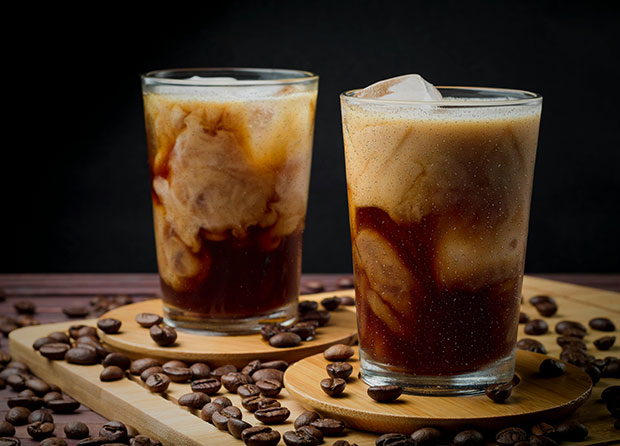
Cold coffee is no longer a seasonal add-on and has become a year-round category. According to Allegra and World Coffee Portal reporting, growth is being driven by younger demographics, longer trading hours and greater exposure to café-style menus across a wider range of foodservice settings. This has increased demand for coffee blends that perform consistently across both hot and iced formats. From a wholesale perspective, products that allow customers to deliver multiple drink styles from one core SKU are particularly attractive, as they simplify ordering while supporting menu flexibility.
One of the most significant trends is simplification with purpose. IGD and Lumina Intelligence insight shows that rather than expanding ranges, operators are reducing the number of products they stock and focusing on those that deliver consistent extraction, predictable yield and flexibility across different service formats. Alongside this, ethical sourcing and sustainability credentials are increasingly expected rather than optional, particularly where they can be communicated simply and credibly at point of sale.
Across wholesale, the strongest-performing hot beverage products continue to be balanced espresso or barista blends that deliver consistency in high-volume, milk-based drinks. Premium 100% Arabica options are also performing well as trade-up choices, while demand for high-quality decaffeinated coffee continues to grow as operators look to cater for a broader range of customer preferences. These products perform consistently because they suit multiple outlet types without overcomplicating depot ranges.
Recent new product development has focused on strengthening range structure rather than increasing breadth. The Wholesale Group has expanded its own-label hot beverages portfolio with the launch of the CHEF Approved and CHEF Prestige coffee ranges, developed specifically for wholesale and foodservice customers.
The ranges provide a clearly tiered solution covering value, premium, decaffeinated and filter formats, enabling wholesalers to support a broad mix of customer needs while maintaining range discipline. Selected lines carry recognised sustainability certification, helping customers respond to growing expectations around ethical sourcing without adding complexity at depot or delivery level.
The CHEF Approved and CHEF Prestige ranges are performing particularly well where wholesalers actively use the tiered positioning to support customer conversations around value, quality and trade-up. Feedback from members highlights strong demand for blends that deliver low acidity, consistent yield and dependable performance in milk-based drinks, which remain critical in foodservice-led wholesale environments.
“Wholesalers that treat hot beverages as a destination category rather than a commodity are seeing the strongest results. Clear range architecture helps protect margin, while linking coffee to adjacent categories such as cakes, desserts and breakfast items increases average spend and encourages repeat purchasing. Consistent positioning and range discipline deliver both commercial and operational benefits,” adds Ellison.
“To maximise sales, wholesalers should focus on clarity, visibility and education. Giving hot beverages appropriate space in depot, helping customers understand versatility and yield, and encouraging attachment selling all contribute to stronger category performance. Simplicity remains key, with fewer, better-performing lines driving efficiency and margin.”
James Scrannage, Senior Customer Category Manager, Nestle UK&I Beverage, comments: “The Hot Coffee category is worth £1.45bn, growing +6.0% YoY (Circana and IRI) and Nescafé is the UK’s No.1 brand (Circana and IRI), with over 6.6bn cups of Nescafé coffee consumed in the UK each year (Circana and IRI). When comparing different sub-segments, coffee sells 2.3x faster than tea in Convenience (Circana) and the value of the category is over twice as large as tea (Circana and IRI).”
At-home coffee shop experiences, flavoured coffees and brand collaborations continue to fuel growth, consumers also continue to seek the best value products.
Iced coffee has been a big trend and this has been reflected in Nestlé’s key launch of Nescafé Iced Latte, a ready-to-drink iced coffee proposition found in the ambient coffee aisle. The range is available in a multi serve format and in two flavours: Iced Latte and Iced Caramel Latte.
Last summer saw the launch of Nescafé Espresso Concentrated. Revolutionising how iced coffee is prepared at home, Nescafé Espresso Concentrated is a premium liquid coffee that can be used to create barista-style iced coffees. Each bottle contains 16 servings and is available in three delicious flavours: Vanilla, Caramel and Classic. This year Nestlé wants to build on this further as concentrated coffee is now worth over £8m (Circana and IRI) in the UK; Of which Nescafé Espresso Concentrated delivers 80% of these sales (Circana and IRI).
Nestlé Coffee is growing at +9.5% YoY, with over 600 billion cups of the brand’s coffee consumed in the Convenience channel each year (Circana). Mixes sachet coffee has grown +15.7% this year supporting this growth (Circana).
Richard Milner, Category & Insight Manager, Lincoln & York, comments: “The hot beverages category continues to evolve in response to shifting consumer habits, economic pressure and the rising expectation for quality across every format. While overall coffee volumes in the out-of-home market have softened slightly (Worldpanel), coffee consumption is still booming in certain out-of-home channels, such as bakeries and sandwich shops, providing some positivity and tempering the overall market performance. Consumers are still willing to purchase high-quality coffee despite tighter household budgets, and wholesale and cash-and-carry channels should ensure they offer the perfect blend of quality and convenience.
“This reflects what we are consistently seeing within our own research, with 52% of coffee drinkers now placing “taste” in their top three purchase drivers (Lincoln & York VYPR), up from 46% in 2022, and nearly half saying they will pay more to try specialty blends or single origin (Lincoln & York VYPR). The opportunity for wholesalers lies in offering ranges that balance value and quality, ensuring operators can meet this demand.”
Milk based coffees continue to dominate consumption, with lattes, cappuccinos and flat whites remaining favourites across all age ranges. However, much of the category’s momentum now comes from the rapid growth of cold and ready-to-drink (RTD) coffee. The iced coffee market is now worth £357m (Worldpanel) and it has become the third most popular coffee format among 18–35-year-olds (Lincoln & York).
This trend extends even further when looking at RTD coffee. Lincoln & York’s research shows that 80% of 25–34-year-olds purchased an RTD coffee in the past year (Lincoln & York), and wider category insight indicates that over 40% of beverages are now purchased to-go (Allegra). With consumers making more frequent, smaller food and drink trips, particularly into convenience retail, RTD has become an essential part of the modern beverage offer.
“For wholesalers and cash-and-carry stores, this represents a significant commercial opportunity. RTD formats support operators who need to deliver on-the-go convenience and great quality coffee. As younger consumers increasingly embed cold coffee into their daily routines, RTD has shifted from a niche segment to a must stock category for any operator looking to maximise the lucrative on-the-go occasion,” adds Milner.
“Innovation in cold coffee and RTD remains a major focus for us at Lincoln & York. We have a trio of RTD options in the pipeline and are partnering with customers to improve the consistency and speed of iced coffee through the use of high quality coffee concentrates. This eliminates the need to cool espresso shots and helps operators deliver a smoother, less bitter drink, reflecting the preferences of younger coffee consumers who are increasingly seeking premium tasting beverages, on-the-go.”
Another consumer trend wholesalers should be aware of is the pairing of hot beverages with bakery treats, which continues to represent a strong commercial opportunity. As highlighted in Lincoln & York’s Rise of Bakery Coffee report, pastries and cakes remain the most common accompaniments to coffee, with bakery-led formats significantly outperforming in both volume and value growth. Effective merchandising, simple bundle deals and thoughtful cross category placement can help operators maximise this occasion and encourage additional spend.
“And finally with regards to trends, across the food and drink industry, there is growing awareness of how what we consume affects our health,” says Milner. “For those conscious of caffeine intake, there have been major developments in the extraction of caffeine, creating higher quality decaf options which avoid the bitter taste generally associated with decaf coffee. Stocking a high-quality decaf option satisfies those looking to limit their caffeine intake and also underscores the natural, minimally processed nature of good quality coffee.”
Lincoln & York’s NPD pipeline reflects the continued evolution of the category, with developments in cold coffee solutions and an expanded range of speciality and single-origin products designed to meet rising demand for quality, convenience and premium experiences.
“For wholesalers and cash-and-carry stores, the key to unlocking growth lies in stocking a balanced range that supports both everyday value and premium trade-ups, supported by simple but effective merchandising and a sharp focus on convenience-led formats,” advises Milner. “As expectations continue to rise, whether in traditional hot beverages, iced coffee or RTD, there is no substitute for quality. Those operators that can combine speed, flavour and consistency will be best placed to take advantage.”
One of the most recognisable coffee brands in the world, Dunkin’, has partnered with UK distributor, RH Amar, to launch its retail coffee range – bringing the Dunkin’ name and iconic coffee flavours to UK grocery. Rebecca Cook, Dunkin’ Brand Manager at UK distributor, RH Amar, comments: “Dunkin’ offers an exciting opportunity for wholesalers and retailers to bring something fresh and fun to their offering and drive incremental growth to the category.”
Packaged in Dunkin’s instantly recognisable and iconic pink and orange branding, the UK retail line-up has been designed to include some of Dunkin’s classic flavours alongside trend-led flavours. The launch range includes seven Nespresso compatible pods, including the Original Dunkin’ Blend alongside popular flavoured options such as Vanilla and Caramel. There are also three Dolce Gusto compatible varieties, including Cappuccino and Caramel Latte, offering indulgent, coffee-shop-style experiences at home.
Cook says: “The range is all about delivering that special Dunkin’ experience consumers want at home. Whether it’s a quick morning pick-me-up or a coffee-shop inspired creamy Caramel Latte later in the day, the range brings the unmistakable Dunkin’ fun and flavour into people’s homes.
“Universally recognised brands such as Dunkin’ can act as positive disruptors and Dunkin’s strong brand recognition, flavour-led innovation, and eye-catching packaging makes it a compelling addition to the fixture. We believe that Dunkin’ can expand the appeal of coffee pods beyond current consumers – including engaging with younger shoppers, who may not have previously shopped the pod category.”
Gen Z and younger Millennials are key Dunkin’ consumers globally, they are highly trend-aware, influenced by social media, and looking for small daily indulgences. Dunkin’ has built strong engagement and loyalty with these younger audiences by spotting trends early and delivering a fun and fresh uniquely Dunkin’ proposition.
Dunkin’s trend-led flavours, such as its much-loved Caramel and Vanilla varieties or frothy, creamy Cappuccino, resonate not only with this younger demographic, but also with shoppers who increasingly wish to replicate coffee shop experiences at home. Jimmy’s, the UK’s fastest growing ready-to-drink coffee brand (from those with over 1% share, NielsenIQ RMS), is adding a new limited-edition flavour – Jimmy’s Caramel Waffle – to its existing range. Bringing indulgent excitement to the chiller this autumn, the launch presents retailers with the perfect opportunity to capture shopper attention and drive category sales. The smooth iced coffee with a biscuity, caramel flavour, that tastes just like the centre bite of a stroopwafel, is available now across the convenience channel.
The launch comes as Jimmy’s continues to invest in flavour-led innovation to fuel brand growth and entice more shoppers to the category. The Caramel Waffle flavour is set to do just this by appealing to shoppers seeking premium and indulgent ready-to-drink coffee options. With its rich and warming profile, the new variant is perfectly timed for autumn and winter, as consumers look for more comforting flavours.
Caroline Rose, Clipper Teas Brand Controller at Ecotone UK, comments: “Shopping baskets are at the healthiest they’ve been for five years (Kantar) and this demand has had a significant impact on tea and coffee purchasing behaviour. Consumers are increasingly using tea as part of their daily wellbeing routines, whether that’s winding down in the evening, boosting energy naturally, or supporting immunity. This has driven strong growth in herbal and functional infusions, particularly those with clear, purpose-led benefits.”
Within tea, there is a resurgence in demand for green tea (+5.1% YOY) driven by new matcha blends (adding over £5m in sales to the segment, Circana). People that are familiar with green tea, want to introduce the matcha into their daily routines – so the combination of the two ingredients is delivering strong growth. Packed with antioxidants, matcha is known for boosting energy, mood and immunity, while green tea promotes heart health and brain function.
In response to increased demand, Ecotone has launched a new Clipper Organic & Fairtrade Matcha and Green Tea (RRP £3.40) that offers clean, natural ingredients, unbleached and biodegradable tea bags at an affordable price point. Shoppers are concerned about health but are also conscious of their impact on the world around them too. Clipper’s commitment to organic and Fairtrade sourcing gives shoppers the double win of a healthy hot beverage coupled with strong sustainability and ethical credentials.
“Shoppers are becoming more discerning about provenance, sustainability and certifications, so brands that can demonstrate genuine impact will continue to gain traction,” adds Rose. “Fairtrade is one of the most well-known and trusted certifications in the UK – 94% of consumers have seen the Fairtrade Mark, and 84% trust it (Circana). Clipper is the first and longest-standing Fairtrade tea partner. We proudly champion our commitment to Fairtrade in all our advertising and promotional materials. And we’re incredibly passionate about driving positive change in the tea industry. So much so that we joined the Fairtrade Foundation on the steps of number 10 Downing Street at the end of last year to hand in a petition that calls for a change in human rights legislation and a level playing field in the tea industry. We want farmers behind our brew to have a good standard of living and be able to put meals on their family’s table, have access to medical care and send their children safely to school. It’s what we care about at Clipper, and we know a lot of shoppers care too.”
Clipper ended last year as the UK’s fastest-growing major tea brand, growing at +6.6% (Circana) and outperforming the total tea market. Clipper is the number one UK organic tea brand and holds a 44% share of the organic tea segment (Circana).
“We’re noticing a real shift in demand for people looking for cleaner, more natural products – which we’re able to tap into with our natural, fair and delicious teas. In an ageing category, Clipper is one of the only brands attracting younger shoppers and this year’s marketing campaign specifically targeted a millennial audience through advertising on video-on-demand and social media. Clipper’s household penetration continues to grow, and it is now drunk in 1.33m households (Circana),” says Rose.
“One segment where Clipper is really driving the growth of the Infusions segment at 30% YoY (Circana). We attribute our success in the segment to our organic credentials and our new flavours from only natural sources.”
The loose leaf tea category is defying broader market trends, with volume growth of +7% year-on-year while the total tea market experiences a -4% decline, according to the latest Circana data (December 2025). While loose leaf tea currently represents just 2.4% of the UK tea market (£14.9m), its performance signals a significant opportunity for wholesalers looking to drive incremental growth in the hot beverages category.
Matthew Gregory, Sales Director at Keith Spicer, comments: “The loose leaf segment is experiencing remarkable momentum. We’re seeing +367% year-on-year growth for Lancashire Tea Loose Leaf, which is specifically developed for the vending sector with a finer texture, in the last 52 weeks, which demonstrates that when consumers discover quality loose leaf options, they respond enthusiastically. This isn’t a niche anymore — it’s a growth category that wholesalers should be actively developing.”
The growth in loose leaf tea aligns with broader consumer interest in premium, natural hot beverage options. Loose leaf tea is often perceived as a healthier, more authentic choice compared to standard tea bags, with consumers appreciating the lack of processing associated with some teabag materials.
“Consumers are increasingly educated about what they’re drinking,” adds Gregory. “Loose leaf tea offers transparency—you can see exactly what you’re buying. Combined with growing awareness around sustainability and reducing packaging waste, it’s becoming an appealing option for health-conscious consumers.”
The +367% growth in Lancashire Tea Loose Leaf suggests consumers are absolutely willing to invest in premium options when they perceive genuine quality and value. While loose leaf represents a small market share, its growth trajectory indicates that price is not a barrier for consumers seeking superior taste and experience.
“The foodservice and vending sectors particularly appreciate loose leaf for its cost-per-cup efficiency,” explains Gregory. “A small amount of loose leaf produces a fuller, more flavourful brew than standard teabags, meaning better value over time despite the higher initial price point.”
As hospitality venues seek to differentiate their beverage offerings, quality loose leaf tea provides a premium option that commands higher margins.
“Don’t overlook the small but mighty categories,” advises Gregory. “Loose leaf tea’s 2.4% market share might seem insignificant, but +7% volume growth in a declining market tells you everything you need to know about where consumer demand is heading. Wholesalers who stock quality loose leaf options now will be ahead of the curve as this trend accelerates.”
Many foodservice operators and retailers don’t realise the cost-per-cup advantages of loose leaf tea.
Loose leaf works exceptionally well in modern vending solutions, offering premium options that drive higher transaction values.
Regional products like Lancashire Tea tap into the growing consumer appetite for local, traceable sourcing.
Frame loose leaf as an upgrade option rather than a specialty item—it broadens appeal beyond tea enthusiasts.
The total food and beverage category has grown by 2.9% to £226.3 million. The Mars Drinks & Treats (MD&T) hot chocolate range is outperforming the market, with sales rising by 4.6% (Kantar).
Now making up more than 15% of the hot beverages market, MD&T’s hot chocolate range remains a popular choice with shoppers.
Galaxy Hot Chocolate is the leading performer, contributing 82.3% of total sales with Galaxy Instant the number one instant hot chocolate in the UK.
With a focus on innovative new flavours and formats, recent launches include the Galaxy Pink Hot Chocolate Kit and Maltesers White Hot Chocolate. These launches help to excite existing fans and bring new shoppers into the category.
Kerry Cavanaugh, General Manager at Mars Drinks & Treats, says: “Our hero product, Galaxy Instant, continues to shine, with sales growing by 4.7%.
“Galaxy Hot Chocolate has delivered huge growth and brought excitement into the category with flavours and colour limited editions. Many of the exciting ideas growing cafe hot chocolate sales are what have inspired our own Galaxy innovation, helping us drive growth ahead of the category.
Comments are closed.