



To meet internal productivity, security and safety metrics, cargo, equipment, operating processes and workers are coming under greater scrutiny from monitoring systems. These also help protect the high-value goods that, when stocked together, make tempting targets for opportunist and organised criminals.
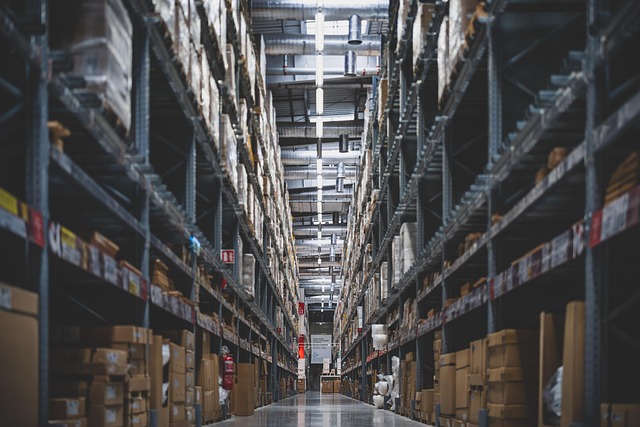
From car parts to smartphones, luxury items to seasonal must-haves, warehouse crime is on the rise. To counter the threat, security and premises managers need to deliver always-live and proactive inventory security in and beyond the warehouse to protect stocks.
A recent Barcelona heist of over 100 ebikes from a warehouse demonstrates the organisation that some gangs aspire to. And insurer Munich Re reports that 41% of all cargo thefts happen in warehouses across Europe, with everything from cheese to electronics specifically targeted.
Delivering Warehouse Security To Prevent Theft
As modern supply chains and warehouse operations run on live data, so should your physical security. There is great risk and no value in leaving bonded or high-value warehouse items out of sight, just because the business and workers believe they are safe behind a locked gate.
Operators and supply, trade or retail partners increasingly demand to know where their cargo is, if it has been kept in appropriate conditions, and there has been no risk of tampering with consignments.
As such, strong security, from AI-powered CCTV and commercial access control systems to constant weighing and inspection of cargo, and identifying people in contact with it, are necessary to protect the business from theft and insurance claims.
The Era Of Constant Visibility Is Powered By AI
Many criminals work in gangs, using temporary workers to assess the security within a warehouse and the location of valuables. Based on that information, they may make an overt or covert attempt at theft, or slip in a tracker to make the items visible during the next delivery step as an easier target.
To counter these approaches, security managers must treat constant visibility as the safest state for security, with real-time data and checks. This improves both operational visibility into warehousing processes and can deter criminals, or even casual workers, who are planning a theft.
Improved security can also deter someone from tampering with them, perhaps adding a GPS tracker to help criminals. And training staff in why CCTV, access control, smart sensors are other features are used will help prevent casual workforce theft, and improve the reputation of the warehousing business among partners.
Joining the dots between the various security systems is the AI that monitors every camera feed, can track workers and visitors as they move between access points, and collaborates with warehouse data to identify when a shipment is lighter or heavier than it should be, or that someone has interfered with locks or other equipment.
AI Working Inside and Beyond the Warehouse
AI can also check that materials handling tasks are performed safely, from manual sorting to moving and using yorks or trucks, to fork lift operations.
The AI tracks each action to ensure that workers follow best practices, and can be retrained if they are regularly working unsafely or operating beyond normal functions or tolerances.
AI can also highlight workers not wearing correct personal protective equipment (PPE) within a warehouse. Providing these insights at an operational level, noting where overcrowding occurs or chokepoints are located can help provide strategic data that business leaders can use to improve the effectiveness of the warehouse, while keeping workers and cargo safe, reducing accidents and insurance claims.
Beyond the warehouse, using access control monitoring, the system has an overview of which workers loaded specific cargoes on each vehicle and provide high-quality CCTV of any unusual activity. This can come in useful if the vehicle suffers a theft on road, at a service station or other location, and provide evidence as part of investigations.
By connecting security data with the metrics coming from vehicles, consignments of cargo, and all the people involved at every step, a warehouse operation can identify the risk points at each step and make changes to improve security, helping retain and win business as many companies look to minimise their losses to theft.
With crime rates rising, every warehouse must act like it is protecting the Crown Jewels, even if the reality is more prosaic, as criminals will exploit any weakness they can to lift industrial or consumer valuables.
Comments are closed.