

Growth in the UK bakery, bread and home baking sector is primarily driven by the boom in artisanal and sourdough products, a strong demand for “affordable luxuries” amidst inflation, the rise of health-conscious and clean-label diets, and digital-led aesthetic trends.
Sourdough has transformed from an artisanal luxury into a mainstream staple, growing significantly and spreading into pastries, pizzas, and rolls. Consumers are seeking these products out for their perceived gut-health benefits, clean-label ingredients, and artisanal appeal.
Economic pressures have driven a shift in spending behaviours. Instead of expensive restaurant meals, consumers are willing to spend a premium (typically around £5 to £8) on high-quality, gourmet bakes and beautifully crafted pastries. This “treat yourself” culture means independent bakeries are increasingly becoming destination spots.
Modern shoppers are looking closely at ingredient lists. There is soaring demand for regeneratively farmed ingredients, organic options, and gluten-free or gut-friendly baked goods. Bread and bakery items that offer added nutritional benefits, or serve as an alternative to ultra-processed foods, are dominating bakery shelves.
Platforms like TikTok and Instagram have driven a surge in aesthetic and showstopping bakes, especially among Gen Z. Visually striking baked goods (glossy glazes, laminated croissant layers) are highly sought after. Simultaneously, home baking remains popular as a mindful hobby and a cost-effective family activity, keeping ingredient and baking mix sales robust.
With hybrid working models remaining common, breakfast and lunch habits have changed. Consumers have more time to prepare and enjoy premium, everyday items at home, such as artisan toast for breakfast or higher-end sandwich loaves, bolstering retail sales.
Louise Reynard, Customer Development Director, UK at St Pierre Groupe, comments on behalf of the St Pierre brand: “There is a clear shift towards premium bakery, as shoppers look for products that deliver quality, versatility and a more elevated eating experience at home.
“Bakery is particularly well placed to benefit from this trend because it offers consumers an accessible way to trade up without significantly increasing spend. Small upgrades, such as switching from standard toast to a more premium option, can help transform everyday meals into something that feels more special.
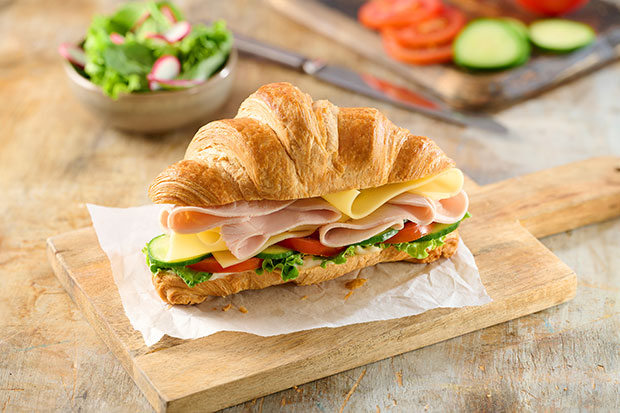
“St Pierre’s new Croissant Loaf is a strong example of this. The category-first innovation combines the convenience of a sliced loaf with the light, flaky texture and rich flavour of a traditional croissant, offering shoppers a simple way to elevate breakfast and brunch occasions at home. Pre-sliced for convenience, it is designed to work across multiple occasions, from simple toast toppings to more indulgent café-style brunch dishes.”
The launch also reflects wider shopper demand for newness and more premium morning goods. Breakfast remains the largest bakery occasion (Circana), and shoppers are increasingly seeking high-quality options that deliver café-style experiences at home.
Convenience continues to be a major purchase driver in bakery, particularly as consumers look for products that fit easily into busy routines while still delivering on quality and taste.
Individually wrapped products, such as St Pierre’s croissants and chocolate-filled croissants, are well placed to meet this demand, offering a practical solution for breakfast, snacking and food-to-go. Meanwhile, multipacks including chocolate-filled crêpes, brioche swirls, pain au chocolat and croissants give retailers versatile options for shoppers looking to stock up on convenient, bakery products for the week ahead.
For wholesalers, these formats offer a strong opportunity to support retailers with products that meet multiple shopper missions, from quick breakfasts to on-the-go snacks and affordable indulgent treats.
As a result, individually wrapped and multipack bakery lines are becoming an increasingly valuable part of a well-rounded wholesale range, helping retailers cater to changing routines while driving impulse purchase and repeat sales.
St Pierre’s core brioche range remains central to the brand’s success. Products such as St Pierre Brioche Buns, Seeded Brioche Buns and Hot Dog Rolls continue to perform strongly because of their versatility, premium quality and relevance across multiple meal occasions, from burgers and brunch to informal entertaining.
Formats such as buns and rolls are seeing strong growth, now representing a significant share of bakery occasions (Circana). Driven by demand across lunch, evening meals and social occasions, these formats are benefiting from their versatility and ability to support a wide range of cuisines and eating occasions, from burgers and BBQs to quick midweek meals. As a result, they have become a key area for innovation, with brands introducing new flavours, formats and limited editions to keep the fixture fresh and engaging.
St Pierre is continuing to bring innovation to the bakery category with two key launches for 2026 – Croissant Loaf and Caramelised Onion Brioche Buns.
The St Pierre Croissant Loaf is a category-first hybrid format that combines the familiarity and convenience of a sliced loaf with the light, flaky texture and rich flavour of a croissant. The product is designed to help shoppers trade up from standard toast and create more premium breakfast and brunch occasions at home. It contains 10 slices and has an RRP of £2.85.
St Pierre is also launching Caramelised Onion Brioche Buns, a limited-edition 4-pack created for the 2026 BBQ season. The new buns pair St Pierre’s signature soft, golden brioche with a rich, gently sweet caramelised onion flavour, offering shoppers an accessible way to elevate burgers, midweek meals and summer dining occasions. Available from April to September, the launch is designed to drive seasonal excitement, encourage trade-up and create standout in bakery fixtures.
Louise Reynard, Customer Development Director, UK at St Pierre Groupe comments on behalf of the Baker Street brand: “Innovation is being driven by a combination of evolving consumer expectations and the need for differentiation in a competitive category. While traditional white sliced loaves remain a staple, shoppers are increasingly looking for products that offer more, whether that’s added health benefits, greater flavour or versatility across occasions. This has opened the door for specialty segments such as rye and sourdough to thrive, as they deliver against these needs while still fitting into everyday routines.”
Brands are also innovating within familiar and growing subcategories, to make such benefits more accessible. Baker Street’s Rye & Wheat and Seeded Rye loaves have helped bring rye into the mainstream by combining health credentials with great taste and convenience. Building on this, the launch of Baker Street’s Light Rye Loaf reflects the next step in that journey – offering a softer, lighter texture that appeals to shoppers who are curious about rye but not yet ready to move away from white bread.
Innovation will focus on making specialty bakery even more accessible, with formats that bridge the gap between traditional staples and more differentiated offerings. Products that combine familiarity with added benefits will be key to driving growth.
Baker Street is responding to this with the launch of its Light Rye. By offering a softer, lighter loaf, it will deliver a milder taste and more familiar eating experience, making it ideal for shoppers new to the rye segment. At the same time, it retains the key benefits associated with it, including fibre, protein and added nutrients, ensuring it still meets the demand for healthier everyday choices. This kind of accessible innovation will play an important role in expanding the category and bringing more shoppers into specialty bread.
Baker Street is performing strongly within the category, supported by growing consumer interest in speciality breads that still fit easily into everyday routines.
The brand’s rye range has helped bring rye into the mainstream, appealing to shoppers who want added health benefits without compromising on taste or convenience. Baker Street is now the UK’s number one rye bread brand, supported by strong growth in both value and volume (Circana).
This demonstrates the opportunity for wholesalers to support products that deliver on health, taste and convenience in equal measure.
“Wholesalers should focus on breadth, visibility and education. Healthier bread alternatives perform best when shoppers can clearly understand the benefits and usage occasions, so clear merchandising and signposting are essential,” advises Reynard.
“Rye should not be treated as a niche product. It has a clear role to play within everyday bakery fixtures, particularly as more consumers look for simple ways to add variety and balance to their diets.
“To maximise sales, wholesalers should prioritise availability, range and visibility. Bakery remains a high-frequency category where shoppers expect consistency and convenience, so ensuring the right products are in stock is key.
“Products with longer-lasting freshness, such as Baker Street’s range, are particularly well suited to the wholesale channel, helping retailers manage wastage while giving shoppers confidence in the quality and value of the product.”
Charlotte McCready, Category Manager at Finsbury Food Group, comments: “We’re seeing shoppers become much more selective about where they spend, but that doesn’t necessarily mean they’re spending less; it’s more that they want to spend better. As eating out becomes less frequent, people still want those little moments of indulgence at home.
“So, whether it’s a weekend brunch or a ‘fakeaway’ dinner, they’re trading up on the things that make it feel a bit more special, and bread is definitely part of that. I think sourdough has really benefitted from this shift. Shoppers are happy to pay a little more if it feels crafted, higher quality and a bit more premium. It’s gone from being just a side item to something that elevates the whole meal.”
Shoppers are leaning more towards ‘naturally healthy’ options rather than heavily fortified products. There’s a lot more trust in breads that are naturally high in fibre or protein, simply because of the grains and flours used.
That’s why sourdough, rye and seeded loaves are performing so well, they feel more honest and less processed. At the same time, cleaner ingredient lists and simpler labelling are becoming much more important to shoppers when they’re making those choices.
“Free-from is no longer a niche add-on, it’s a fundamental part of the fixture. Retailers are investing heavily in improving quality and accessibility, and that’s helping move gluten-free from purely a medical need towards more of a lifestyle choice,” adds McCready.
“That said, price still remains a challenge. Gluten-free bread is more expensive to produce, and the industry still has work to do in balancing affordability with quality. Trust is also crucial in this space, as shoppers tend to be loyal once they find a product they like.”
There’s also a premiumisation of mini formats. It’s not just about convenience anymore, it’s about occasion. Smaller formats allow shoppers to enjoy something elevated without committing to a full-sized product. “Bakery continues to perform strongly for us, particularly in premium and sourdough. It’s still one of the standout growth areas in the category, and we’re seeing that momentum hold as more retailers expand their ranges and consumers continue to trade up,” says McCready.
“What’s interesting is that while you do see some movement in market share as new players come into the space, the overall category is still growing, especially in sourdough. So rather than it feeling crowded, it actually feels like there’s more opportunity opening up across the board.”
Stéphanie Brillouet, Marketing & Innovation Director, Délifrance, comments: “Sourdough continues to be a high-growth category, thanks to its digestive benefits and strong consumer appeal. Long-fermented breads and pastries are perceived as more wholesome and flavourful, which is why sourdough is the carrier of choice for sandwiches for 29% of consumers (Délifrance).”
Délifrance’s latest report, Prove It: The Trends Driving Sandwich Consumption in 2026, highlights that over half of consumers prefer white, brown or wholemeal sourdough and quality continues to lead decision-making, with increasing numbers of consumers actively choosing handcrafted breads produced through longer fermentation for their enhanced flavour and improved texture.
“Premium Italian bread range, ‘PanItaly’, is crafted to deliver exceptional colour, flavour and texture, creating an authentic taste profile across products such as panini, focaccia and ciabatta,” adds Brillouet. “As health and premiumisation continue to shape consumer behaviour and out-of-home purchasing decisions (Délifrance), we believe demand for high-quality, artisanal-style bakery products will continue to grow.”
Perceived health benefits are equally influential, particularly the digestive advantages associated with sourdough, including brown, wholemeal, seeded and rye options. Rising demand for premium breads with stronger health credentials suggests that shoppers appreciate both the nutritional value and the time-honoured techniques used in sourdough production, recognising it as a more wholesome, flavour-rich option. This combination of quality, health and craft underpins its widespread appeal and cements its position as the fastest-growing ISB segment (Circana). Long-fermented breads are now a preferred sandwich carrier for many consumers, and demand is also rising for sourdough-led pastries and pizza bases.
“The global multi-grain market is experiencing exponential growth driven primarily by health-conscious consumers, with the appeal of ancient grains such as spelt and barley resting in how unchanged they are compared to more modern, selectively cultivated and bred varieties,” says Brillouet. “And because ancient grains haven’t been refined, they tend to be higher in protein, minerals and healthy fats, ultimately creating more consumer appeal.”
The global multi-grain bread market was valued at $7.98 billion in 2025, and is projected to reach a value of $22.85 billion by 2033 (Market Research Intellect). In the latest data from Circana, ancient grain loaf unit sales are up +15% YoY, the fastest growing ‘style’ of seeded bread after sourdough (value sales are +27% YoY). Ancient Grain rolls sales are also in growth (+5% units, +12% value, Circana).
In the out-of-home bread market, almost a quarter (24%) of consumers have increased bread consumption for health reasons (Prove It: Breaking Bread), opting for products made from at least two or more types of grains, such as wheat, oats, barley, rye and quinoa. This shows a direct correlation between the behaviour of consumers and the growth of multi-grain products. The health-consciousness trend shows no signs of slowing, so wholesalers should continue to expand their bakery offerings with more nutritious, multi-grain products.
Gemma Williams, Head of Marketing at Windmill Organics, comments: “It really feels like we’re at the beginnings of a cultural shift in the UK, where people are increasingly reflecting on their past bakery choices and are now looking for alternatives that align with their needs and values: health, nutrition, sustainability and ingredient transparency. Many are looking to either reduce their consumption of bread altogether or at least seek out alternative bakery products with benefits, which must deliver on both health and taste, and our bakery range meets this desire. Sourdough is perhaps the biggest indicator of change in British bakery habits as it has moved from a niche product to a mainstream one over the last few years. This is partly due to a growing interest in gut health and the benefits that sourdough provides in terms of digestion, but also down to sourdough’s taste and quality.”
However, conversely there is also a growing trend for more indulgence in bakery, as consumers tend to be eating out less and looking for more indulgence at home in the form of permissible treats that are well made with good ingredients. This might be in the form of speciality breads with olives as a starter or indulgent waffles for dessert.
With many people now looking for healthier clean-label options to consume at the start of the day, the bakery category is changing. Between 2024-2025, Biona’s bread category sales rose by 17%, which reflects its growing importance to our business and the strong wider appetite for organic bakery options. To meet these growing needs over the last couple of years Windmill Organics has launched Biona Super Seed bread, a tasty, protein rich, sliced loaf, containing fibre-packed oat kernels and seeds, Biona Power Protein Bread made with Sourdough, and Biona Rustic Seeded Sourdough rolls.
Rye breads are a major focus for Windmill Organics, and the company offers several variants with added ingredients such as chia and flax, golden linseed, and sunflower seeds. Earlier this year, a ‘Rye January’ campaign highlighted growing concern around ultra-processed bread in the UK. The campaign encouraged consumers to switch from ultra-processed sliced bread to the brand’s natural rye alternative and share their experiences online. This simple swap can make a measurable difference: studies show rye bread can help improve blood sugar control, reduce cholesterol by up to 14%, and keep people fuller for longer thanks to its high-fibre, low-GI profile.
“Wholesalers need to understand that many people are now aware that traditional packaged bread can be unhealthy and are increasingly looking for more nutritious options, but further transparency is needed,” advises Williams. “Towards the end of last year, we carried out a YouGov survey of 2,000 British consumers which revealed that almost half (46%) of those surveyed said they were ‘concerned’ about what’s really in their daily bread, while almost three in four (73%) were unable to identify the ten most common additives and preservatives found in everyday bread. Furthermore, a whopping 93% of them were also unaware that there are as many as 19 additives and preservatives in the average sliced bread, with 40% of those surveyed believing that number to be under ten ingredients. This means suppliers need to ensure their packaging and marketing clearly illustrates how their products are meeting the nutritional desires of consumers and reassures them they are making healthy choices.”
Oli Sampson, Managing Director of Central Foods, comments: “Bread and bakery remain one of the most dynamic areas of foodservice, but also one of the most complex for wholesalers to get right. The category is now being shaped by a combination of premiumisation, health-led choice, free-from demand and the need for formats that are quick and easy for operators to use.
“For wholesalers, the opportunity is no longer just about stocking the basics. It is about building a relevant frozen range that covers premium and everyday needs, specialist diets and easy-to-use formats, all backed by dependable supply and strong brand support.
“That is where Central Foods is well placed: as a dedicated frozen food specialist, we supply a broad bakery offer as part of a wider portfolio spanning more than 250 products, across four own brands and more than 40 manufacturer partners, all supported through mixed-pallet consolidation.”
There is clear evidence that shoppers are trading up within bakery when the product feels worth it. NIQ reported strong sales growth in morning goods and speciality breads, up £245.4m, as shoppers sought out more expensive but healthier sourdough and speciality products.
BakeryInfo also reported that Jason’s Sourdough alone added £42.4m in sales in 2025, underlining how strongly premium bakery cues are landing. Mintel’s current bread market view also says almost half of UK consumers consider a bread’s taste more important than its healthiness, which helps explain why premium-feeling, flavour-led formats such as sourdough continue to gain ground.
For wholesalers, that means there is value in offering bakery products that feel more considered, more flavour-led and more premium, rather than relying only on standard everyday lines.
Health is now a mainstream driver within bakery, not a niche add-on. Mintel says 36% of UK consumers prioritise high fibre in bread, while 26% are looking for breads that support gut health. Bread innovation is also moving towards less-processed, gluten-free and gut-friendly products. That reflects a broader shift in breakfast habits, with Kantar-backed reporting showing that an extra 604 million breakfasts were chosen for their health credentials in the past year.
That is one reason why products with grains, seeds and broader nutritional cues feel relevant. Baked Earth Greek Style Wraps fit that shift well. They are ready-baked wraps embedded with ancient grains including linseeds, sunflower seeds, millet, oat flakes, barley flakes and crushed rye, giving wholesalers a savoury bakery option that taps into both healthier-feeling and more premium cues.
Free-from is now part of the mainstream bakery conversation rather than a side category. Mintel’s future-of-bread direction explicitly says innovation should focus on gluten-free and gut-friendly products, while BakeryInfo has described free-from bakery as one of the fastest-growing parts of the UK baking industry.
“For wholesalers, the biggest shift is that gluten-free no longer has to feel specialist or difficult to manage,” adds Sampson. “Products such as We Love Cake Gluten-Free Breakfast Muffin show how it can be incorporated into the everyday offer in a way that is commercially practical. Individually wrapped and easy to handle, it is suitable for vegetarians and coeliacs, and is also gluten, milk and wheat free. That makes it a useful line for wholesalers looking to offer a credible, inclusive bakery option without adding complexity.”
Jason Geary, Master Baker at Jason’s Sourdough, comments: “Consumers are increasingly trading up to premium loaves, including sourdough and sourdough-based products, as they prioritise quality over quantity. Many shoppers are willing to pay a premium for bread that offers better taste, quality ingredients, and greater versatility. This shift reflects a broader trend where consumers are becoming more discerning, choosing authenticity and satisfaction over larger quantities of perceived lower-quality options.”
The latest Worldpanel data reveals that “Total Premium Bread” units grew by +41.7% last year, while “Total Prepacked Bread” saw a decline of -1.2%. This highlights a clear preference for higher-quality options in the market.
“As expectations evolve, innovation remains key – particularly in delivering products that uphold quality ingredients and authentic processes,” adds Geary. “For Jason’s Sourdough, that means expanding into new flavours and formats while staying rooted in traditional methods. Our recently launched Creations Fruit Loaf reflects this, offering bold flavour while staying true to our heritage and craftsmanship.”
There is a clear and growing demand for healthier bread alternatives, including high-fibre, sourdough, rye, and fortified loaves, as consumers become more health-conscious and educated about the benefits of different bakery processes.
Fibre, in particular, is gaining larger recognition as an essential nutrient due to how it provides multiple health benefits including improving digestive health. The bread market is developing to correlate to this trend, with many brands expanding their ranges to offer high-fibre options. Sourdough continues to be associated with more traditional fermentation methods, which many associate with aiding digestion. One of Jason’s Sourdough’s first product launches, the Grains & Seeds Ciabattin, aligns with this demand. The grains and seeds found in the Ciabattin are whole grains, which are soaked in fermented dough. This process allows them to be better digested in the gut, whereas most bakers add the seeds afterward.
Alongside this, fitness-focused shoppers are increasingly seeking simple, everyday dietary upgrades that support higher protein intake and improved nutrition without added complexity. Jason’s Protein Loaf meets this need through incorporating wheat protein, pea protein, and sunflower seeds into its sourdough. This offers a convenient way for consumers to boost protein intake while still enjoying great taste and staying true to the brand’s commitment to simplicity and great taste.
There is a growing demand for quick, convenient bakery products such as individual portions, mini formats, and grab-and-go options, as consumers look for ease without compromising on quality. This is driven by busier lifestyles, increased solo eating occasions, and a preference for flexible snacking and smaller portions that reduce waste. There are now 2.2 billion fewer dinner occasions requiring more than 30 minutes of preparation compared to five years ago (Kantar). As a result, ready-to-eat and individually portioned options are becoming central to both on-the-go and at-home occasions.
In response to this evolving need, Jason’s Sourdough has expanded to offer convenient, high-quality solutions. It built on the success of its Hot Food-To-Go toastie range, which was distributed across foodservice, travel (including airlines), and retail through a partnership with Around Noon, a leading manufacturer and distributor in the food-to-go market. The concept was adapted further for retail with the launch of individual premium “take-home” toasties in Tesco last year, designed for busy lifestyles and reflecting the growing demand for quick yet elevated bakery options.
Jason’s Sourdough Everyday Rolls also tap into the shift towards individual, versatile formats – offering a premium yet convenient sourdough option suited to lunches, side servings, and on-the-go meals. Together, these innovations demonstrate how convenience and craftsmanship are combining to drive growth in the segment.
Samantha Winsor, Marketing Manager, Lantmännen Unibake UK, comments: “Speciality Bread is growing by 24.6% (Worldpanel), making it a highly successful but competitive sector. A key driver is innovation using world-inspired formats and flavours that deliver greater excitement, versatility and perceived quality. Consumers no longer see world cuisines isolated to specific meal occasions; these flavours and influences are increasingly being blended into core basket items, including bakery.”
Health considerations are playing an increasingly important role for Speciality Bread; in fact, health is the third most important sales driver for consumers (Opeepl). There are many innovative ways wholesalers can answer the consumer need for nutrient-dense bakery options. From gut-health derived from sourdough’s fermentation process to ‘clean label’ recipes or added inclusions that maximise health benefits such as rye flour, fresh herbs, nuts and seeds.
Seasonality is a powerful lever. Artisan-style products that are visually strong are suited to occasion-led summer dining; picnic formats, sharing bakes, food-to-go, and BBQ burger buns and hot dog rolls. With more people considering staycations this summer amid the fuel crisis and flight cancellations, consumers are looking to provide treat moments for themselves, their friends and their families, and intentionally trading up to nourishing, quality food for summer social occasions, either at home or when eating OOH.
Rustic, continental flavours fit naturally across the savoury and breads categories, and launches featuring sourdough, ciabatta and speciality breads continue to perform well as consumers seek products that balance indulgence with perceived wellbeing. They carry a natural health halo and align with consumer interest in fibre, satiety and minimally processed ingredients. The crafted, country feel of sourdough, ciabatta and speciality breads – often with seed, dried fruit and grain inclusions – elevates any occasion, whilst the widely recognised health benefits provide a meaningful addition or base to a meal.
Lantmännen Unibake UK is seeing growth in savoury by 33.9% (Worldpanel), particularly in handheld formats, where speed and convenience remain non-negotiable for consumers. This is especially relevant for younger consumers who prioritise efficiency and convenience over sit-down meals. This demographic is highly visual and impulse-driven, making purchase decisions in seconds based on products that signal freshness, portability and value, such as Mediterranean-inspired formats like topped breads and pizzettas.
In sweet bakery, Mini Danish pastries are also experiencing significant momentum, with 9% value sales growth (Circana) driven by consumers seeking smaller treating occasions that align with healthier lifestyles. This format appeals particularly to the ‘Mindful Treater’; health-conscious consumers balancing portion size and wellbeing without compromising taste or quality. The GLP-1 health trend is amplifying demand for portion-controlled indulgence further. Danish pastries are perfectly positioned to meet this growing demand as premium foods that feel special without being excessive.
Joanna Agnew, Marketing Director at Lotus Bakeries UK, comments: “Whether used for filling cookies, elevating cheesecakes or adding some extra decadence to brownies, the Biscoff® Smooth and Crunchy Spreads are a staple ingredient for home bakers with over 60 million jars sold globally last year. The family-sized jars (700g/720g) are particularly popular here, providing consumers with even more Biscoff® to add to bakes and desserts. To help customers find their favourite spread more easily, the jar for this iconic biscuit spread has recently been given a makeover with a new contoured shape for added grab appeal, embossed ridges top and bottom to mimic the famous biscuit, and an updated label orientation for even greater brand recognition.”
With the premiumisation of this category, sales of Biscoff® continue to grow, as the original caramelised biscuit and its selection of spreads become a popular addition to a variety of recipes. Baking at home gives customers the freedom to use their favourite flavours, and as a staple in over 7.4 million homes across the UK, Biscoff® is always a popular choice (Nielsen).
Occasions for home-baking are on the rise, and as customers get more creative in the kitchen, they continue to upgrade classic bakes with trending flavours, like Biscoff®,” adds Agnew. “So customers can perfectly encapsulate this in their bakes, it is vital that wholesalers provide leading brands that they can trust for consistent success and one that will mean their bake is an instant hit. As the original caramelised biscuit, Biscoff® delivers the unique taste and texture that customers crave, and it is no surprise that customers love mixing our smooth and crunchy spreads into batters, and decorating bakes with the iconic Biscoff® biscuits. The Japanese cheesecake phenomenon earlier this year was a prime example of consumers loving Biscoff and experimenting with it!”
For foodservice clients, Biscoff® has developed a range of products that make it even easier to use this popular brand in baking. Its 3kg tubs of Biscoff® Spread ensure there is always a supply of Biscoff® on hand, ready to add to icings and desserts. Meanwhile, when looking to provide that finishing touch to Biscoff® treats, the Biscoff® Topping Sauce is a convenient option. Supplied in a squeezy bottle, this sauce is made from original Biscoff® biscuits and offers an easy, mess-free way of adding a drizzle of Biscoff®. For that final crunchy finish, Biscoff®’s ready crushed biscuits deliver a simple way to create cheesecake bases or add a decadent finale to baked goods.
To help fuel the growing popularity of Biscoff®-inspired bakes, Biscoff® is continuing to provide end-users with recipe inspiration, both through its social media and its website. Following its success in 2025, this year, Biscoff® again teamed up with Dr Oetker on social media to make pancake day a little sweeter, promoting the delicious Biscoff® Smooth Spread 400g as an indulgent topping to their pancake mix.
Meanwhile, for foodservice customers, Lotus Bakeries is continuing its ‘Created With’ partnership, to help venues capitalise on the power of the Biscoff® brand. This exclusive accolade gives bakes Biscoff®’s seal of approval, reassuring customers that this provides the much-loved taste and texture that the brand is known for.
“When it comes to home-baking, wholesalers can maximise sales by capitalising on the latest social media trends as it is these recipes that increasingly influence consumers’ buying habits,” says Agnew. “With nearly 70 million posts on TikTok, Biscoff® is a leading ingredient in a range of social media bakes. Take the viral Japanese Cheesecake – this saw sales of Biscoff® biscuits soar, presenting an ideal opportunity for wholesalers to feed this growing market and capitalise on leveraging this brand for their own business purposes.”
Stephen Jones, UK Sales Director, Grupo Bimbo UK, comments: “New York Bakery Original and Sesame bagels continue to be key products within the range, offering wholesalers and retailers trusted, high-quality options from the UK’s No.1 bagel brand (Circana).
“Original bagels remain a core everyday staple, appealing to shoppers looking for a versatile bakery product that can be used across multiple meal occasions, from breakfast through to lunch and light meals. Sesame bagels also perform strongly, offering shoppers a familiar flavour with added texture and a more elevated bakery experience.
“Both products benefit from New York Bakery’s signature boiled-and-baked process, delivering the authentic chewy texture and great flavour that the brand is known for. This clear point of difference helps the range stand out in the bakery fixture and supports repeat purchase among shoppers.”
New York Bakery continues to reinforce its position as the UK’s No.1 bagel brand (Circana) and category leader, with strong brand recognition helping to drive shopper trust and loyalty.
The brand is well placed within the wider bakery category, where shoppers are increasingly looking for products that combine convenience, quality and versatility. Bagels are particularly relevant to this demand, as they offer a simple way for consumers to create more interesting and satisfying meals at home without added complexity.
New York Bakery’s Original and Sesame bagels play an important role in this by providing familiar, reliable options that work across a wide range of usage occasions. As shoppers continue to seek bakery products that fit into busy lifestyles while still delivering on taste, New York Bakery remains strongly positioned to support category growth.
“The bakery category continues to be driven by demand for products that offer convenience, quality and versatility. Shoppers are looking for bakery options that feel familiar and easy to use, but that can also help elevate everyday meals,” adds Jones.
“For wholesalers, this means prioritising products with broad consumer appeal, strong brand recognition and clear usage versatility. Products that work across multiple meal occasions can help retailers maximise sales throughout the day, rather than relying on one specific shopper mission.
“Bagels are a strong example of this opportunity. They can be used for breakfast, lunch, snacks or more premium at-home meals, making them a valuable addition to the bakery fixture. Trusted, recognisable brands such as New York Bakery can also provide reassurance to retailers, helping to drive confidence, loyalty and repeat purchase.”
New York Bakery’s marketing activity continues to focus on reinforcing the brand’s position as the UK’s No.1 bagel brand (Circana), while highlighting the quality and versatility of its products.
Support is centred around encouraging shoppers to see bagels as an everyday bakery staple, as well as a simple way to elevate meals at home. Inspiration-led content plays an important role in this, showcasing how New York Bakery’s Original and Sesame bagels can be used across a variety of occasions, from quick breakfasts to more indulgent lunches and light meals.
This approach helps keep bagels front of mind for shoppers, while supporting wholesalers and retailers by driving awareness of the category and encouraging broader usage occasions.
“To maximise sales, wholesalers should ensure that core, high-performing bakery SKUs are easy for retailers to find, well stocked and clearly ranged. A focused assortment that includes trusted branded products can help retailers make confident purchasing decisions and support stronger returns from the bakery fixture,” advises Jones.
“Visibility is key. Bagels should be positioned alongside other core bakery staples to reinforce their role as an everyday product rather than a niche option. Strong brand blocking and clear merchandising can also help shoppers quickly identify familiar, trusted products in-store.
“Wholesalers should also consider the commercial benefits of products with a longer shelf life. New York Bakery Original and Sesame bagels offer a 29-day shelf life, helping retailers manage stock more effectively, reduce waste and improve profitability.”
Caroline Buggisch, Product Marketing Manager at RM Curtis, comments: “With the rising popularity of GLP-1 and health-conscious diets, consumers are prioritising healthy tweaks, such as opting for brown bread instead of white. Functional foods are also in the spotlight.
Products that can deliver a source of protein, fibre, or specific vitamins and minerals are being incorporated across menus to appeal to guests looking to make more deliberate food choices. In a bread and bakery context, operators could cater to this demand by adding a seed-and-nut bread to their offering and topping loaves with a classic mixture of sunflower seeds, flaxseed, poppy seeds, and sesame seeds. To add extra flavour or texture, chefs could also utilise pumpkin seeds, chia seeds, and oats.”
The health-focus trend is also driving demand for smaller formats, as customers look to indulge in measured quantities. This is beneficial to operators, as it enables them to batch prepare a higher quantity of products within the same time, space, and ingredient constraints. Similarly, chefs can instantly diversify an otherwise simple range to include more flavour options to appeal to a broader scope of customers and encourage return customers. For example, operators can instantly transform a standard croissant into a pistachio variant with these on-trend nuts, or likewise with almonds, or use hazelnuts to complement chocolate themed pastries. Wholesalers can help chefs keep their menus fresh and exciting by stocking versatile ingredients like these dried fruits and nuts.
“To maximise sales, wholesalers should be strategic about how they position their products,” adds Buggisch. “Dried fruits, nuts, and seeds are all incredibly versatile, but such flexibility can often be overwhelming when it comes to ranging locations. Wholesalers could offer serving suggestions or point customers to recipe inspiration to spark some ideas. Products can also be linked to seasonal opportunities. For example, in the run up to Easter, sultanas and raisins can be linked to special deals to inspire chefs to create homemade hot cross buns. In summer, lighter options that complement seasonal products (pistachios & raspberries, or pine nuts & pesto for example) should be front and centre. Autumnal pecan and festive cranberry could also be highlighted. While these ingredients have their own strong connotations – i.e pecan pie – chefs could use them to update existing bakery ranges.”
Elliot Cantrell, Head of NPD at BakeAway, comments: “It’s hard to ignore that demand for quick and easy baking solutions is growing strongly as consumers look for ways to enjoy bakery style treats with minimal effort.
“We’re seeing clear appetite for products that simplify baking without sacrificing quality. Doh! is a great example of this shift, it’s a ready to bake cookie dough that allows people to bake individual cookies, small batches or mini portions in minutes, making home baking far more spontaneous and accessible.
“This same need for ease is reflected across our wider BakeAway range. Our pastry sheets and pastry blocks are designed to reduce prep time while still offering versatility, enabling shoppers to create sweet or savoury bakes quickly, whether for a single portion or a small sharing moment.”
Outside of baking, convenience continues to drive growth too, with BakeAway’s chilled pancakes brand Abra ca Debora providing a ready made solution that delivers indulgence with minimal fuss. Together, these products reflect how consumers are increasingly looking for flexible, low effort ways to enjoy small moments of indulgence throughout the day.
Doh! is a newly released cookie dough and a key focus of innovation at BakeAway. It has been developed to lower the barrier to baking, removing complexity and time pressure while still delivering an indulgent, high quality result. Doh! is all about versatility so consumers can enjoy the product however they like, whether that’s making traditional cookies or following the latest social media trend.
Doh!’s real strength lies in its flexibility: consumers don’t need a special occasion or the commitment of a full bake, they can simply bake what they need, when they need it. This makes it particularly relevant for mid week treats, small rewards or spontaneous baking moments.
“For the wider bakery category, growth will come from recognising that indulgence is becoming more frequent and portion led, rather than centred on large treats. Products that combine convenience with flexibility, like Doh!, are well placed to unlock more occasions and drive repeat usage. Brands should focus on making baking feel accessible, adaptable and relevant to real everyday lives, while still delivering on taste, comfort and enjoyment,” advises Cantrell.
“There is also a clear opportunity for the category to focus more strongly on reducing the everyday barriers to baking, whether that’s lack of time, confidence or perceived effort. Formats such as ready to use doughs, pastry sheets and easy breakfast options show how baking can feel achievable even on the busiest days. By supporting smaller, more regular moments of enjoyment rather than one off occasions, brands can encourage higher engagement and embed baking into consumers’ everyday routines.”
Sophie Steenberg, co-founder of Steenbergs, comments: “There is a clear shift towards quality-led purchasing. Consumers are increasingly seeking premium ingredients and artisanal experiences in their baking, which aligns with the broader trend of trading up to sourdough and speciality bakery products. This is reflected in the growing interest in high-quality, natural flavourings and ingredients that elevate homemade bakes.”
Health-conscious choices are shaping the category, with demand rising for cleaner-label, minimally processed ingredients. Products with no artificial additives and simple ingredient lists like Steenbergs Organic Natural Sea Salt resonate strongly with consumers seeking transparency and wellness-focused baking.
Steenbergs is performing strongly, driven by its reputation for quality, sustainability, and ethical sourcing. As a certified B Corp and pioneer in organic and Fairtrade spices, the brand is well positioned to benefit from growing demand for premium, responsibly produced baking ingredients.
A new UK bakery brand, Kynd Dough, is set to launch into retail this June, targeting the growing demand for high-performing, convenience-led bakery.
Kynd Dough has been created to challenge expectations in everyday packaged bakery, bringing together proper product quality with formats designed for modern retail. The brand is built on a simple belief: bakery should taste good, perform consistently and fit seamlessly into how people shop today.
Positioned as a modern challenger, Kynd Dough combines craft-led baking with advanced packaging and process design to deliver products that maintain quality and freshness over an extended shelf window, without compromising on taste, texture or overall eating experience.
The initial range, rolling out from June, focuses on core convenience-led lines: White and Brown Sliced Loaves, Classic and Seeded Burger Buns, Brioche Buns, and Hot Dog Rolls and Burger Buns in both standard and XL formats.
The range has been developed to deliver strong retailer margins while improving on-shelf availability, reducing waste and driving a more consistent rate of sale, all of which are key performance drivers within convenience and impulse-led environments.
A second wave will follow in October, introducing sourdough and rye options, including White and Seeded Sourdough Sliced Loaves, alongside Seeded and Classic Rye. The phased rollout strategy is designed to establish high-performing core lines before expanding into more premium and speciality segments.
Kynd Dough is brought to market by United Food Brands, the team behind some of the UK’s fastest growing and most recognisable bakery and snacking brands, including Waffle Amour and Hallo Deutsche Backerie.
Supported by scalable manufacturing and established supply chain infrastructure, United Food Brands has a strong track record of launching and scaling brands that deliver both consumer appeal and commercial performance.
Initial retail listings are secured from launch, with further grocery and convenience distribution currently under discussion.
Richard Reeves, CEO, United Food Brands, says: “Kynd Dough is about resetting expectations in packaged bakery. We’ve focused on delivering products that combine eating quality with real functional benefit, supporting better availability, reducing waste and delivering stronger, more consistent performance on shelf, while also improving retailer margins.”
TJ Sims, Brand Manager, adds: “We set out to make bakery that people genuinely want to eat, but that also works harder on shelf. Kynd Dough is simple in its thinking, good products, made properly, designed to perform.”
Kynd Dough will be supported by a launch campaign designed to bring a more distinctive and commercially relevant tone to the category, combining a premium, craft-led feel with clear, accessible product communication.
The brand will be available to retailers nationwide from June 2026, with a primary focus on the convenience channel.
Comments are closed.