

The UK Lunch and Food-to-Go sector was valued at roughly £24.9 billion in 2026, primarily driven by higher average spend per visit, hybrid working patterns, and evolving consumer demand for premium, health-focused options.
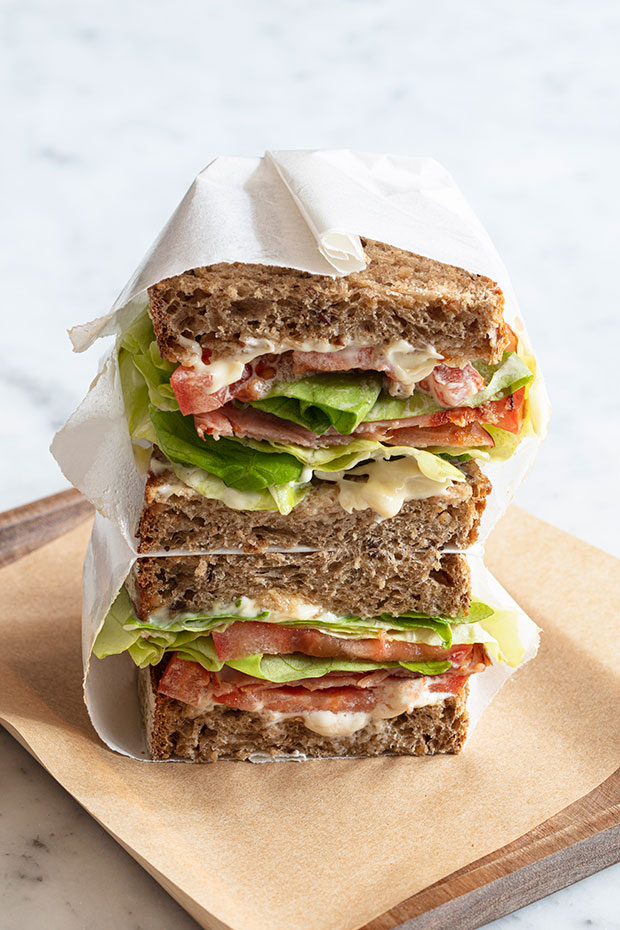 Increased commuter footfall and hybrid working schedules have revitalised city centres, transport hubs, and office corridors.
Consumers are spending more per visit (averaging £12.98 in convenience missions) by opting for high-protein, artisanal, and deli-style grab-and-go options instead of basic value lunches.
Retailers and quick-service operators use tiered meal deals and bundled packages to manage inflation while enticing budget-conscious and premium shoppers alike.
Demand for high-protein, lower-carb, and cleaner ingredients is replacing traditional snack staples like crisps and confectionery.
Convenience chains and major fascias are upgrading store layouts with dedicated hot food counters, in-store bakeries, and barista stations to capture immediate-consumption missions.
The food-to-go sector is currently being driven by a powerful mix of convenience, value, and a consumer desire for culinary newness. According to Barnaby MacAdam, Development Chef at Paulig PRO, operators do not need to completely overhaul their menus to attract diners. Instead, they can successfully refresh familiar formats like wraps, flatbreads, and meal deals by introducing global flavours such as Korean, Filipino, Taiwanese, and Peruvian. MacAdam notes, “Food to go is being shaped by a combination of convenience, value and a growing appetite for newness. Our Taste the Future Flavour Trend Report found that 74% of UK consumers look for new flavours when eating out, while 59% of frequent diners choose restaurants offering something unique.”
Provenance and authentic storytelling are also gaining traction, particularly regarding how spices and seasonings are sourced. However, MacAdam emphasises that these details must provide genuine value rather than serving as mere marketing jargon.
He highlights a shift toward authenticity, noting, “Our report highlights a new generation of chefs drawing on their own cultural backgrounds and experiences to reinterpret traditional flavours, rather than combining cuisines simply for novelty.”
To support these operational goals, Paulig PRO offers versatile product ranges, such as Santa Maria sauces and spices, alongside new additions to their Tortilla Toolbox like the 6-inch White Corn Tortilla and 12-inch Wholewheat Tortilla Wrap. These items allow kitchens to maximise stock, minimise food waste, and build multiple dishes across all dayparts from a tight, efficient inventory.
Ultimately, MacAdam advises operators to keep preparation fast and consistent while leveraging strategic insights. He concludes, “Successful innovation comes down to identifying the flavours, formats and trends that are right for your customer and finding practical, commercially viable ways to execute them well.”
Savoury pastry is playing an increasingly prominent role in the food-to-go sector, representing 5% of all savoury pastry sales within grocery front-of-store locations (NIQ). As the leading brand in the category (NIQ), Ginsters is seeing double the growth of the total savoury pastry market front-of-store and driving the highest actual sales growth to the area (NIQ). According to Sarah Babb, Marketing Director at Ginsters, this growth is being accelerated by shifting consumer habits and strong demand for handheld snack options.
Babb notes: “The inclusion of Savoury Pastry in a meal deal also reflects shoppers’ desire for snacking options alongside more traditional lunch options. Consumer demand for handheld snacks has risen (+8%) and a huge 95% of shoppers snack, so it’s no wonder the market is worth an eyewatering £15.2 billion (Kantar).”
To capture this momentum, Ginsters has expanded its offerings with the street-food-inspired Pockets range and a collaboration with Frank’s RedHot. Furthermore, the brand maintains a strong commitment to local provenance, using top-quality British meat and vegetables sourced just 10 miles away from its Cornish bakery.
Highlighting the importance of supporting the agricultural community, Babb explains: “The British public are increasingly interested in the origins of food and in supporting farmers, with 70% informed about food origins and almost 50% interested in farming, so backing British farming is a natural step for Ginsters, supporting the agricultural community that underpins its products (AHDB).”
Backed by substantial marketing investments, including the ongoing ‘Taste The Effort’ campaign and recent high-profile initiatives for their sausage rolls, Ginsters continues to drive category reappraisal, attract younger shoppers, and provide satisfying, quality options for on-the-go consumers.
Rustlers, the £94.6m powerhouse of chilled snacking (Kantar), is supporting retailers in growing food-to-go profits with its popular line-up of convenient, high-value, flame-grilled burgers and sandwiches bursting with full-on flavour.
With many food-to-go shoppers now seeking alternatives to traditional sandwiches, particularly to add more interest to their lunchtime choices, Rustlers offers the hot option, variety and flavour that fully meets their needs.
Consumers are also turning to products like Rustlers, which they view as “quick and easy” and a “treat,” whether they’re eating at home, at work or on the move.
A brand refresh has made market-leading Rustlers more relevant to food to go shoppers, improving the clarity of messaging on-pack and driving clearer differentiation between Rustlers Burgers, Sandwiches and Subs. Demand has also been boosted by the introduction of new product names and images, with consistent colouring for different types of protein (i.e. meat, chicken etc.), which has made shopping Rustlers even easier. Ross Davison, Head of Convenience at Kepak (Foods Division), comments: “Rustlers is synonymous with convenient cooking and consumer appeal has been broadened by the fact that in addition to microwaving, Rustlers products can be grilled or air-fried, which is flashed on the front of pack.
“As consumers continue to battle with the rise in the cost of living, shoppers remain price-sensitive, with many turning to Rustlers price-marked packs for the all-important combination of value, taste and quality, cementing Rustlers as a firm food to go favourite for consumers and a must stock for retailers.”
As healthy nutrition becomes increasingly influential in consumer purchasing decisions, with 53% of UK shoppers stating it is more important to them than five years ago (NIQ), Quorn Foods is stepping into the food-to-go market.
Lucy Grogut, Marketing Director at Quorn Foods, highlights how consumer priorities are driving product labelling and formulation: “At Quorn, we use simple, front-of-pack nutritional claims such as high protein, a source of fibre, or low saturated fat, to drive trial and conversion, particularly in high-traffic fixtures such as food to go where shoppers make rapid decisions.”
To capitalise on this shift, Quorn recently launched its first single-serve snack range, Quorn Protein Bites, available in formats designed specifically for busy shoppers and lunchboxes. Featuring variants like Sweet Chilli and Cocktail Sausages, the new snacks offer clear front-of-pack signposting for calorie count and protein content.
This innovation builds on the brand’s strong category standing as the UK’s No. 1 meat-free brand (NIQ). With meat-free shoppers spending 86% more on average than non-meat-free shoppers (NIQ), Quorn is using its popular “Mission Snack Swap” campaign to introduce shoppers to these new on-the-go options.
Grogut adds: “Quorn Protein Bites are our most convenient snacking launch ever, and we know that shoppers are excited to see us in the food to go aisle for the first time. The launch reflects wider category innovation focused on high protein snacking.”
With 54% of convenience shoppers currently on the go (KWP), the savoury snacking category presents a massive commercial opportunity for wholesalers and retailers alike. According to Ed Merrett, Wholesale Controller at PepsiCo, success in this space relies on balancing trusted, iconic brands with exciting new product development (NPD).
Merrett highlights: “For wholesalers, this means that stocking a strong variety of savoury snacking options in food to go friendly formats, such as singles and grab bags, is key. When catering to this occasion, it is important for wholesalers to remember that consumers are loyal to brands they know and flavours they love.”
Flavour remains the single biggest driver of crisp purchases, influencing choice on 50% of all occasions (Kantar). To capitalise on this, PepsiCo pairs classic brands like Walkers, Quavers, Wotsits, and Monster Munch, which create a powerful “beacon effect” for impulse purchases, with recent innovations such as the Doritos 3D Crunch sub-range in Nacho Cheese and Sizzling Steak flavours.
To help wholesalers optimise their operations and boost on-the-go sales, Merrett emphasises the principles outlined in PepsiCo’s Max Your Snacks report: allocating the right space near impulse categories, optimising fixture layouts for grab-and-go formats (such as singles, grab bags, and price-marked packs), and maintaining high product visibility.
Summarising the winning retail strategy, Merrett notes: “While new product development (NPD) adds excitement, the winning formula is innovation combined with a solid core range. Our portfolio offers the perfect mix of much-loved favourites and new launches.”
The food-to-go sector continues to be a vital, fast-paced channel, with food-to-go missions accounting for 18% of the Top 10 missions in Total Convenience, rising to 21% in Symbols and Independents (Lumina). According to Stuart Graham, Head of Convenience and Impulse at KP Snacks, the company’s portfolio is strategically tailored to support retailers looking to capture this growth.
Highlighting the role of value and bold flavours in lunchtime occasions, Graham notes: “Retailers are looking to a share of the Food to Go sector, and our portfolio is strategically positioned to drive this momentum, delivering strong singles sales alongside innovation that capitalise on key consumer trends.”
Meal deals serve as a primary driver within the channel, with crisps and snacks included in 24% of convenience promotions (Lumina). KP Snacks supports this demand through popular meal-deal accompaniments like Hula Hoops Big Hoops BBQ Beef and McCoy’s Flame Grilled Steak.
Graham explains: “Our brands consistently feature among the most chosen snacking options in meal deals because we deliver the big, bold flavours that consumers crave during their lunchtime break.”
To complement core ranges, KP Snacks also addresses health-conscious trends through products like popchips, which deliver big flavour at under 100 calories per serving and are fully non-HFSS, and KP Nuts, a natural source of protein worth £101.8m RSV (NIQ). Furthermore, as the market leader in price-marked packs (PMPs) with a 37% share of the segment (NIQ), the brand utilises formats like £1.35 PMPs to provide shoppers with clear value reassurance and drive impulse sales.
To maximise these opportunities, Graham advises retailers to stock top-performing meal-deal SKUs, leverage promotions, cater to health trends, and ensure fixtures are easy to navigate for time-poor shoppers.
The food-to-go and snacking landscape is rapidly shifting to meet the demands of consumers balancing financial pressures with a desire for quality and indulgence. Rather than seeking the absolute cheapest options, shoppers now define value through taste, convenience, and overall experience. As Tash Jones, Commercial Director at Fairfields Farm, notes, “Quality, convenience and the overall eating experience all contribute to how shoppers perceive value.”
To capture these evolving habits, wholesalers and retailers are moving beyond single-price models toward tiered product ranges. Standard options typically sit around £4-£5, while premium and restaurant-inspired choices range from £6-£10, allowing shoppers to trade up for elevated at-home dining experiences.
Consumers increasingly look for functional benefits, allergen-friendly credentials, and clear supply-chain transparency. Brands with strong local roots are resonating well; as Jones highlights, “Our homegrown potatoes are cultivated and transformed into our award-winning handcooked crisps right here on our family farm.”
Social media heavily influences snacking choices, driving demand for bold, globally inspired profiles like limited-edition Cajun Barbecue.
Wholesalers can maximise basket spend by implementing cross-category merchandising, ensuring products appear across multiple relevant locations rather than a single display point.
Ultimately, balancing trusted core staples like Cheese & Onion with exciting limited-edition lines is key to maintaining engagement. Jones emphasises this balance, stating, “The biggest opportunity for the category is to continue giving consumers a reason to try something new while maintaining the familiar flavours they know and love.”
The food-to-go and bakery sectors are undergoing a significant shift, driven by a growing consumer demand for quality, convenience, and sensory appeal. Rather than simply seeking the lowest price, today’s shoppers view value through the lens of freshness and a satisfying overall experience. Stéphanie Brillouet, Marketing & Innovation Director at Délifrance, highlights this shift, noting: “Meal deals aren’t just about offering the lowest price. For today’s consumer, value means getting a convenient, satisfying product that feels fresh, well-made and worth the spend. Our research shows that 46% of consumers say better quality is the main reason they are eating more sandwiches (Délifrance).”
In-store atmosphere plays a critical role in purchasing decisions. Product appearance (42%) and smell (41%) act as major triggers for bakery items (Délifrance), making ready-to-bake pastries an effective way to generate fresh aromas and in-store theatre.
Consumers are increasingly seeking bold and indulgent flavour combinations. Infusing familiar formats, such as baguettes, focaccia, and flatbreads, with global influences like Korean BBQ, Middle Eastern spices, or ingredients like hot honey and yuzu allows operators to innovate without alienating customers.
Seasonal and limited-edition items are powerful tools for driving discovery and repeat visits, with 91% of consumers reporting they are more likely to buy from operators offering LTOs (Circana).
To help operators meet these demands, Délifrance recently launched a versatile range of six premium hot sandwiches. Designed to heat and serve within 18 minutes, the line-up includes comforting classics alongside indulgent options like a ham hock sourdough melt. Reflecting on how operators can successfully navigate these evolving habits, Brillouet notes: “For wholesalers, stocking a versatile mix of premium bakery and offering tips on how to add global and seasonal twists can help operators keep their food-to-go offer fresh, relevant and exciting.”
The food-to-go and bakery sectors are navigating a price-sensitive market where consumers seek both budgetary reassurance and products that feel worth the spend. According to Holly Holt, Brand Manager at Lantmännen Unibake UK, meal deals and bundled promotions are powerful tools for driving volume, value, and basket size.
Holt explains: “When consumers perceive genuine value, such as a meal deal or a quality pastry with their morning coffee at a bundled price, they’re more inclined to trade up from a solo purchase.”
Consumers are prioritising health and wellness, driving interest in rustic, natural breads featuring seeds, sourdough, and ciabatta bases that offer fibre and nutrients. Additionally, mini sweet bakery items are gaining traction, with mini Danish pastries achieving 9% value sales growth (Circana) as shoppers look for portion-controlled indulgence.
Plain sandwich loaves are being outperformed by inclusion breads. Aromatic and textured options, such as coffee and date, cranberry and cashew, or fig with black pepper, add visual appeal, complex flavour profiles, and a perceived health halo.
For younger commuters and busy shoppers, speed, convenience, and visual appeal are critical. Impulse-driven decisions happen in seconds, requiring grab-and-go formats that clearly signal freshness and value. Despite financial pressures, consumers are still willing to trade up when a product delivers superior taste, ingredients, or craftsmanship. Summarising the importance of striking the right promotional balance, Holt notes: “Promotional mechanics, with clear, eye-catching signage, framing offerings as genuinely good value, is a priority for today’s value-conscious consumers. When customers perceive they’re getting exceptional quality and taste for a fair price, they return.”
Lauren George, External Communications Manager at Mars Wrigley, highlights a major opportunity to boost sales: “Within On The Go, we anticipate the role chocolate plays within meal deals becoming greater and interest in these building as consumers look for more affordable ways to eat out and enjoy a treat.”
Meal deals are expanding beyond traditional lunch slots into evening hot meal occasions, such as pairing pizza with chocolate blocks, turning single-item purchases into high-value combinations.
To capitalise on these shifts, Mars Wrigley advises wholesalers and retailers to focus on visual merchandising, trend-led ranging, and quality.
Consumers continue to protect small indulgences, opting for high-quality chocolate backed by transparent sourcing.
Retailers should place price-marked confectionery at eye level in key impulse zones, utilising creative point-of-sale (POS) displays like free-standing units.
Flavour innovation drives growth. For instance, TWIX Hazelnut taps into strong demographic demand, where 50% of 16 to 35-year-olds actively seek new flavours.
As George notes regarding product appeal: “TWIX Hazelnut is our most exciting flavour innovation for the brand in years, and the first time we have applied the ‘Two is More Than One’ platform to a flavour variant rather than the core bar.”
Mars Wrigley works hand-in-hand with wholesalers through insight-led recommendations, joint business planning, and tailored in-depot activations. By sharing category data and emerging trends, they help partners stock the right formats to convert brand demand into long-term growth.
Concluding on the importance of variety, George states: “To maximise confectionery sales and profits, wholesalers should work closely with retail customers to ensure a broad range of food to go products across different formats, flavours and occasions are available.”
The food-to-go and snacking landscape is increasingly shaped by fast-paced lifestyles, with time-pressed consumers turning to quick, portable snacks and “picky bits” to power through their working days. According to Jo Agnew, Marketing Director at Biscoff UK, pre-portioned single-serve formats are vital for capturing quick decisions and impulse buys. Agnew highlights the brand’s strong trajectory, stating: “As the original caramelised biscuit, Biscoff is always a hit with customers and last year, over 7.7 million snack packs (purchased in both single and multipack formats) were savoured by customers. This is up nearly 8% compared to the previous year, showing increased demand for premium, pre-portioned snacks [NIQ – Total Coverage/GB – Sales Units – we13/06/2026].”
With fewer consumers taking time for full sit-down lunches, biscuits have become popular, convenient treats for quick breaks and commutes.
Meal deals are evolving beyond standard sandwiches to include popular brands that elevate the lunch experience.
Agnew notes: “One product that always helps meal deal offerings stand out is the Biscoff Pocket Pack, which customers can enjoy as a lunchtime dessert or save for a pick me up with their afternoon coffee.”
Biscoff is experiencing strong household growth, up 11% in purchasing households over the last year [NIQ – TOTAL UK – Buyers – we13/06/2026], bolstered by viral social media traction and exciting new product developments, including upcoming festive-shaped biscuits in original and chocolate-covered variants.
As busy lifestyles drive ongoing demand for convenient nutrition, the yoghurt and dairy drinks category is experiencing rapid evolution. With the UK food-to-go market forecast to grow by 27.4% by 2028 (IGD), parents and on-the-go consumers increasingly seek products that combine functional health benefits, such as protein, gut health, calcium, and vitamin D, with effortless portability.
However, the brand’s overarching commercial and product approach highlights the vital role of fortified, lunchbox-friendly formats like Petits Filous, Frubes, and Yop.
To help retailers and wholesalers capitalise on these shifts, Yoplait emphasises key merchandising actions.
Grant Yates, Sales Director at Yoplait, says: “Grouping complementary formats together helps shoppers quickly navigate breakfast, lunchbox, and on-the-go missions.
“Positioning portable yoghurts and drinks in high-footfall chillers near meal-deal bays drives impulse purchases and healthier swaps.
“Utilising clear shelf-edge labels and POS to call out nutrients like calcium and vitamin D reassures health-conscious shoppers and parents.”
As consumer priorities shift toward health, functionality, and elevated flavours, the lunchtime and food-to-go landscape is evolving far beyond the traditional sandwich. According to Anna Beheshti, Tilda’s Head of Marketing, modern shoppers want quick meals that still feel substantial and exciting.
Highlighting the growing demand for wholegrains and nutritious options, Beheshti notes: “Health is moving up shoppers’ agendas and wholegrains are winning out. We’re seeing strong double-digit growth for some of our wholegrains SKUs, particularly across ready-to-heat where Tilda Brown Basmati & Wild Rice are up 17.9% and Tilda Brown Basmati & Quinoa Rice are up 17.5%, compared to last year (Circana).”
Products like Tilda Easy Meals (recently expanded with Wild Mushroom and Broccoli & Lemon risottos) provide complete, two-minute microwaveable lunches that require zero preparation.
With fewer than 10% of UK households purchasing pulses, Tilda is addressing barriers to entry by launching a six-strong ready-to-heat pulse range. These pouches can be enjoyed warm in 45 seconds or straight from the pack, delivering a natural boost of protein and fibre.
Consumers increasingly look for cultural credibility and transparent sourcing. Tilda’s recent Jamaican Spiced Pumpkin Rice collaboration with Original Flava is a prime example of pairing heritage with everyday convenience.
To help wholesalers and retailers maximise sales, Beheshti emphasises the importance of looking beyond basic grab-and-go options and curating cross-category displays. Summarising the ideal balance for modern lunches, Beheshti states: “The key is making products easy to understand and easy to use. That might mean an all-in-one solution like Easy Meals, ready-to-heat rice that shoppers can build a bowl around or pulses that make it simple to add protein, fibre and variety.”
As health-conscious dining continues to shape the food-to-go sector, consumers increasingly seek grab-and-go options that offer functional benefits or “permissible indulgence”—delivering nutritional value while feeling like a treat. To help wholesalers capture this demand, Caroline Buggisch, Product Marketing Manager at RM Curtis, recommends moving beyond traditional crisps and chocolate: “With the rise in health-conscious dining, consumers are looking for grab and go options which deliver functional benefits or lean into the trend of permissible indulgence – food which delivers nutritional value while feeling like more of an indulgent treat.” Stocking versatile snack formats, ranging from classic packs to larger sharing bags and small ‘shot’ styles, allows operators to build loyalty. Consistent branding, such as through the Snacking Essentials range, helps keep selections fresh and exciting.
Bold, global flavour profiles are driving significant interest across lunchtime options. RM Curtis’s Curious By Nature range caters to this demand with inventive blends like Hoisin Spice Nut Mix, Hot Honey & Lime Nut Mix, Salted Maple Nut Mix, and Espresso Nutini Nut Mix.
By offering a centralised variety of classic favourites like whole cashews and fruit and nut mixes alongside more adventurous, flavoured options, wholesalers can empower operators to easily update their menus and build customer loyalty.
Emphasising the importance of providing a diverse, cohesive snack offering, Buggisch notes: “Wholesalers which can offer multiple options in one place make it easy for operators to regularly update menus to keep their offering exciting.”
Consumer demands in the food-to-go market are shifting significantly toward health, functionality, and sustainability. Despite cost-of-living pressures, shoppers are reducing the frequency of dining out but “trading up” to premium choices when they do make a purchase.
Andy Lewis, Marketing Controller at Sunmagic Juices, notes this behavioural shift: “With the ever-increasing cost of living, customers are opting to dine out less frequently – including in quick serve, food-to-go settings – but choosing premium options when they do.”
Convenient wellness options are thriving, driven by consumer desire for flavour and functional health benefits. Sunmagic’s VP shot range capitalises on this through a cold-pressed, 60ml bottle format designed to retain nutrients. The lineup includes Ginger (containing 12g of fresh ginger root for immunity), Turmeric (a natural anti-inflammatory), Jalapeño (rich in vitamins C and D), and Hot Mango (tapping into the “swicy” trend with 1 billion live cultures).
Highlighting the success of these portable wellness products, Lewis explains: “When it comes to grab and go drinks, options like smoothies, health shots, and premium whole juice are performing strongly thanks to their ability to deliver flavour, portability and functional health benefits to meet rising demand for healthier options.”
While traditional favourites like apple and orange juice remain lunch staples, premium alternatives are gaining traction. Sunmagic’s Daymer Bay range bridges this gap by combining adjacent flavours like Apple & Mango with on-trend variants such as Raspberry Lemonade. To satisfy eco-conscious consumers demanding sustainable packaging, the line features recyclable glass bottles paired with convenient aluminium twist-off lids. Furthermore, Daymer Bay’s ready-to-drink mocktails help operators diversify soft drink menus while catering to the growing demand for low- and non-alcoholic alternatives.
As health and nutrition become core expectations for lunchtime and food-to-go, consumers increasingly look for clear functional cues like protein and fibre. According to Jason Manley, Brand Director at The Compleat Food Group, these nutritional claims help shoppers make mindful choices on the move: “Health has become a baseline expectation across lunch and food-to-go, with shoppers increasingly looking for products that combine convenience and great taste with clear nutritional cues such as protein and fibre.”
Protein is a powerful driver for 38% of food-to-go shoppers. Innovations like the Wall’s High Protein Sausage Roll, delivering 16g of protein and 303 calories, prove that functional products that communicate these benefits clearly can unlock sales and attract new shoppers into categories.
With more flexible eating habits and solo lunch occasions, consumers are moving beyond standard sandwiches to explore global and Mediterranean-inspired flavours, such as the unearthed Spanish Potato Tortilla. While health shapes the category, classic staples like the Wall’s Jumbo Sausage Roll and Pork Farms Mini Melton Mowbray Pork Pies remain vital fixtures within value-driven meal deals.
Addressing how wholesalers can leverage these shifts through targeted nutritional innovation, Manley notes: “For wholesalers, products that communicate these benefits clearly can unlock sales and attract new shoppers into categories.”
Haldiram’s says the food-to-go market is being shaped by shoppers who want meals that combine affordability, convenience and quality. According to the company, meal deals are widening beyond traditional formats, with consumers seeking options that feel satisfying, varied and easy to eat during busy days. Rhea Agarwal, Commercial Director UK & EU, Haldiram’s says: “Consumers are looking for meal deals that offer value and quality,” adding that shoppers still expect “meals that feel satisfying and good quality.”
The brand points to its own combo meals as an example of how suppliers can meet this need, with complete on-the-go solutions including a curry, rice, plate, cutlery and napkin. Flavours include Mutter Paneer, Dal Makhani, Dal Tadka and Rajma Raseela. Haldiram’s also notes growing demand for more interesting and globally inspired flavours, alongside food that looks appealing, is easy to consume and fits into modern lifestyles.
Financial pressure is another driver. The spokesperson says food-to-go can give shoppers “an affordable alternative to eating out while still providing convenience and variety,” particularly as consumers look for good value without compromising on taste. Health, provenance and transparency are also becoming more important, with shoppers paying closer attention to ingredients, where products come from and the wider impact of what they buy. As the spokesperson explains: “The focus on healthier and more transparent food choices is not a passing trend – it’s here to stay.”
For wholesalers, Haldiram’s advises clear communication, strong visibility and simple product information to help retailers and consumers understand the range. The company says the right product, format and price remain essential, supported by availability, merchandising, in-store branding and sampling. Its best-known lines include Indian snacks and mithai such as Kaju Katli, Habshi Halwa, Milk Cake and Motichoor Ladoo, while Coconut Burfi and Modak are recent additions that are proving popular with new UK consumers.
European bakery products manufacturer Baker & Baker has launched a new range of Cadbury Dairy Milk food-to-go (FTG) bars in conjunction with Mondelez.
The range comprises a Cadbury Dairy Milk Brownie and a Dairy Milk Flapjack Bar, both as a single serve offering, presented in Cadbury Dairy Milk branded packaging.
The new bars also tap into contemporary snacking and on-the-go consumption trends, with the UK retail food-to-go sector expected to grow by 4.5% in terms of CAGR by 2031 (IGD), as consumers continue to seek convenient meals and impulsive snack options. In addition, 66% of consumers would buy a snack bar as part of a meal deal (Mintel).
The Cadbury Dairy Milk Brownie Bar features a gooey texture and intense chocolatey taste combined with a cocoa base, whilst the Flapjack variant is chewy and oaty, and both are generously topped with the nation’s favourite Dairy Milk chocolate.
The new range is the first time that Baker & Baker has developed a bakery proposition for the meal deal, as part of its licensing partnership with Mondelez.
Baker & Baker operates an exclusive licensing partnership with Mondel?z to manufacture and distribute fresh bakery products, including leading brands Milka, Oreo and Cadbury, across key European markets. Michael Bancroft, Licensing Director at Baker & Baker, commented: “We’re really excited about introducing the iconic Cadbury Dairy Milk flavour into the food-to-go bar concept. Consumers in this space are looking for easily recognisable brands, flavours and textures, which these products deliver.
“At Baker & Baker, we have a wealth of experience in developing indulgent brownie and flapjack products across different European markets, and we are now bringing this expertise into the UK retail market. “These products also tap into the growing meal deal offering, and will be available as part of standard meal deals with our retail customers.”
The food-to-go sector is shifting as consumers increasingly balance affordability with demand for healthier, premium options. Shoppers are scrutinising labels, with 51% of global consumers concerned about hidden ingredients, and 26% planning to reduce ultra-processed foods in 2026.
Brands are capitalising on this by offering natural, transparent alternatives. Cawston Press exemplifies this trend, growing +15% in sales versus 2025, driven by demand for simple ingredients, no added sugar, and “Not From Concentrate” (NFC) juices.
Cawston Press Managing Director Steve Kearns notes: “As consumers increasingly look to balance value with quality, meal deals can provide the flexibility to deliver both, offering an accessible price point while giving shoppers the choice to trade up to products with ingredients and quality they value.”
Retail food-to-go is also serving as an affordable substitute for sit-down restaurants. Kearns highlights this consumer mindset:
“While consumers are looking for value, there is still an appetite for premium products that offer a sense of quality and indulgence. Consumers today are willing to pay more for high-quality drinks.”
To maximise these trends, wholesalers and retailers should offer flexible formats, such as single-serve cans and home-stocking multipacks, and embrace sustainable packaging, like Cawston Press’ 100% recyclable cardboard multiplexes. Kearns concludes: “By balancing accessible everyday options with more premium, differentiated choices, retailers can encourage shoppers to trade up while giving them greater choice for the lunch and food-to-go occasion.”
Shaun Whelan, Head of Convenience at Link Snacks, comments: “Lunch in convenience has evolved beyond the traditional sandwich-and-crisps mission, with shoppers increasingly looking for products that offer greater satiety, flavour and nutritional value. Protein has become a key consideration, particularly among younger consumers, office workers and shoppers leading active lifestyles. As a result, retailers should look beyond conventional lunch categories and incorporate protein-rich snacks that can be purchased as part of a meal deal or consumed as a standalone lunch solution.”
The meat snacks category is well positioned to meet this demand. Whether it’s beef jerky through Jack Link’s or flavour-led innovation such as the new Peperami x Doritos BBQ Sweet Tang range, shoppers are increasingly looking for convenient products that deliver both protein and excitement.
“Alongside traditional sandwiches, wraps and drinks, retailers should ensure they offer convenient protein-rich options that help shoppers stay fuller for longer,” advises Whelan. “Meat snacks are increasingly being purchased as part of lunch missions, either replacing traditional snacks or complementing meal deals. Providing a range of protein options allows retailers to appeal to consumers seeking satisfying alternatives without compromising on convenience.”
“Understanding the needs of local shoppers is critical,” says Whelan. “Stores located near offices, transport hubs, colleges or gyms may see stronger demand for grab-and-go products, while residential locations may attract more work-from-home shoppers looking for quick lunch solutions. Retailers should analyse sales data, observe purchasing habits and speak directly to customers to understand which products best meet local demand.”
Work-from-home consumers are often looking for convenience but also value and variety. Retailers can attract these shoppers by creating compelling meal-deal propositions, introducing new and interesting products, and highlighting alternatives to traditional lunch options. Innovation can be a key differentiator, particularly when it comes to food-to-go. Products such as Peperami x Doritos BBQ Sweet Tang help create excitement in-store and give shoppers something different to discover.
The UK food-to-go market is shifting rapidly toward options that blend convenience with enhanced nutrition, quality, and versatility. As traditional meal deals evolve, value-conscious consumers are increasingly willing to trade up for high-protein, clean-ingredient alternatives that move away from standard crisps and confectionery.
Newby Groves, Managing Director of The Mad Butcher, highlights how gourmet meat snacks are capitalising on this demand for functional, elevated snacking: “The Mad Butcher Serrano Chips and their charcuterie-led positioning create opportunities for retailers to trade shoppers up from conventional crisps, nuts and jerky into a more premium snacking experience.”
Consumers are actively seeking low-carb, high-protein snacks to replace traditional impulse items. Products like the 3-star Great Taste-winning Mad Butcher Bites (available in Salami and Chorizo) fit seamlessly into these functional snacking missions.
Modern shoppers want clean labels and natural ingredients. The brand’s innovative Serrano Chips are oven-baked and made using just two ingredients—serrano ham and salt—offering a sophisticated alternative to potato crisps.
Influenced by continental habits, consumers are embracing deli-style, versatile formats that work across lunchtime, travel, and social drinking occasions.
To maximise these category shifts, wholesalers are encouraged to prioritise fixture integration—cross-merchandising meat snacks directly within meal deal bays rather than limiting them to ambient aisles.
Emphasising the simplicity and authenticity driving these consumer choices, Groves notes: “Consumers today want snacks that feel more natural and aligned with how they want to eat today – whether that’s high protein, low carb or simply fewer ingredients. We’ve stripped it right back to just serrano ham and salt. Nothing unnecessary, nothing artificial – just the quality of the cured meat in a new, more accessible snacking format.”
Comments are closed.