

Growth in the UK beers, wines, and spirits (BWS) sector is primarily driven by premiumisation as consumers are choosing higher-quality, more expensive drinks over quantity, driving demand for premium lagers, craft beers, and premium spirits.
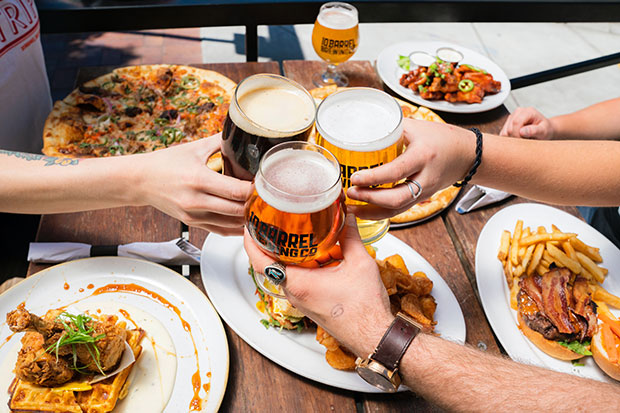
Mindful drinking and health consciousness are shifting habits, with a massive surge in demand for non-alcoholic spirits, wines, and beers.
International lagers hold a 33.8% market share, with Italian and Spanish-style beers experiencing high growth.
Ready-to-Drink products and single-serve, easy-to-carry cans are popular, bringing new consumers into the category.
The pandemic accelerated at-home cocktail making and high-quality home drinking experiences, which remain strong.
There is also increased consumer demand for locally sourced, organic, and environmentally friendly products.
Rob Salvesen, Head of Marketing, Kopparberg, comments: “Consumers are drinking more at home, instead of going to pubs and bars, and it represents a meaningful, long term shift in how people engage with the category.
“While the on-trade still plays a role for specific occasions, frequency has reduced. More social occasions are now happening at home, driven by cost and convenience. That’s created a sustained opportunity for the off-trade, particularly in convenience where shoppers are often buying for immediate or planned social occasions.
“For brands and wholesalers, the focus has to be on helping retailers meet those at-home missions, whether that’s single serves for “drink now” or multipacks and variety for sharing.”
The market for No and Low-Alcohol drinks is in growth, and it’s now firmly part of the mainstream.
Moderation is becoming a normal part of how people shop the category, with consumers switching between alcohol-free and full-strength options depending on the occasion.
“For wholesalers and retailers, it’s important to treat alcohol-free as a core segment – stocking credible, well-known and trusted options and integrating them within the main category rather than isolating them,” adds Salvesen.
Strawberry & Lime and Mixed Fruit remain the core of the Kopparberg range, delivering consistent volume and value for retailers.
They act as anchor SKU’s, driving repeat purchase, recruiting new shoppers into the category, and giving confidence to both retailers and wholesalers through reliable rate of sale.
Alongside these, the brand’s Variety Pack continues to perform strongly for at-home occasions, while Crisp Apple is building momentum as a modern apple cider option.
The brand’s NPD has a clear focus on strengthening the category rather than chasing short-term novelty.
Kopparberg Crisp Apple has been a key launch, tapping into the growing demand for a slightly sweeter, more accessible apple cider and broadening appeal across occasions.
The brand has also expanded into higher-ABV cider with a Sweet Vintage range, bringing bold flavour into a segment that’s seeing renewed interest from younger, flavour-driven shoppers.
All NPD is designed to be incremental, supporting the core range and giving wholesalers and retailers a clear, logical portfolio to work with.
“Kopparberg continues to perform strongly by focusing on what matters most to shoppers – taste, consistency and broad appeal,” adds Salvesen.
“Our strength lies in delivering trusted, flavour-led products that retailers can rely on. That’s what underpins strong repeat purchase and makes the brand a dependable choice for both everyday and social occasions. “Importantly, our growth comes from expanding the category in totality and bringing in new shoppers through flavour, format and innovation, rather than simply competing within it.”
Investment behind the brand is focused on driving both awareness and conversion.
Activity is centred on the key variants Strawberry & Lime, Mixed Fruit and Crisp Apple, with a fully integrated campaign designed to build brand presence and translate that into in-store sales.
This is supported with strong in-store execution, ensuring wholesalers and retailers have the tools to maximise visibility during key trading periods, particularly across spring and summer.
“We take a collaborative, long-term approach,” says Salvesen. We work closely with wholesalers using shopper insight and category data to build compelling ranges that drive overall category growth and not just brand share.
“That includes supporting optimal ranging decisions, aligning on formats and price architecture and delivering strong activation plans for key trading periods.
“The focus is always on making the category easier to shop and more profitable for both wholesalers and their retail customers.”
Sally McKinnon, Head of Marketing & Strategy at Westons Cider, comments: “While the on-trade remains an important part of the cider category, we’re continuing to see strong performance in the off-trade, particularly within convenience, which now accounts for 51.7% of all cider sales and is growing ahead of the total category (+1.8% YOY vs +0.6%, Circana).”
This reflects a longer-term shift in behaviour, with shoppers choosing to enjoy drinks at home or in more casual social settings. Whether it’s unwinding after work, or preparing for social occasions, these moments are becoming increasingly important, with cider well positioned to meet them.
This is reinforced in the recently published 2026 Cider Report, which highlights how cider is being enjoyed, with 76.2% of off-trade serves now accompanied with food, underlining its role in more relaxed, at-home occasions.
“For wholesalers, this highlights a clear opportunity to focus on take-home formats and ensure strong availability of best-selling SKUs that cater to these evolving drinking occasions – such as Henry Westons Vintage 500ml, or our 750ml format which is perfect for sharing,” adds McKinnon.
“Provenance and authenticity are now important purchase drivers that retailers should be taking notice of. Led by traditional ciders like Henry Westons Vintage, the crafted segment has grown 7.6% year-on-year as more shoppers are seeking out brands that reflect strong heritage and local sourcing.
“For Westons Cider, this has always been at our core. With over 145 years of cider-making experience, apples sourced from within a 50-mile radius of our Herefordshire mill, and a commitment to the fresh juice model, we’re well placed to meet this growing demand.
“As shoppers prioritise quality and transparency, brands with genuine heritage and trusted production methods are well positioned to drive value growth across the category.”
The 2026 Cider Report shows that the no and low alcohol segment has grown by 37.3% in the off trade, driven by increased purchase frequency and larger basket sizes.
The main driver of this growth is existing cider fans making the choice to drink less alcohol, rather than new moderation-led shoppers entering the category. The no and low cider shopper also tend to be younger and more affluent than the average cider drinker, highlighting its role in broadening the category’s appeal.
“For wholesalers, while it shouldn’t dominate ranging, it’s important to include a small but considered selection from trusted brands to ensure they are meeting this growing demand and not missing out on incremental sales,” says McKinnon.
Henry Westons Vintage 500ml continues to lead the way as the UK’s bestselling vintage cider, worth £100.4 million and with more than one bottle sold every 0.78 seconds.
Alongside this, trusted brands like Stowford Press perform strongly across canned and multipack formats, ensuring wholesalers are well equipped to meet the needs of both their retail and on-trade customers, supporting strong sales performance across channels.
With the no and low segment continuing to grow, Westons Cider has launched Stowford Press Sweet Apple, a lower-abv sparkling cider, developed to meet the growing moderation trend.
Stowford Press Sweet Apple has been crafted to tap into the opportunity for high-quality, lower ABV ciders, delivering a refreshing, sweeter apple profile that appeals to both traditional cider drinkers and those drawn to fruit-led options. It’s designed to sit within the mainstream, while still reflecting the heritage and quality associated with Westons Cider.
By broadening our portfolio in this way, we’re able to attract new and younger consumers into both the brand and the wider cider category, while supporting evolving drinking habits,” says McKinnon.
“As highlighted in our Cider Report, Westons is now worth £112.6 million in the off trade, demonstrating the enduring strength of the brand within a competitive market.”
The crafted cider segment remains a key driver of performance, and at the centre of this is Henry Westons Vintage 500ml, which holds a 7.2% value share in the off trade. As the UK’s number one vintage cider, it outperforms the wider cider market and play a significant role in driving value growth across the category.
Alexander Wilson, Category & Commercial Strategy Director at HEINEKEN UK, comments: “From a segment point of view, the fastest growing segments have been Stout and No & Low beer. With regards to no and low-alcohol, growing numbers of consumers are moderating their alcohol intake and switching to no and low-alcohol alternatives, such as Heineken® 0.0, which has gained distribution in the impulse channels.
“Beer plays a hugely important role in overall grocery sales. Beers, Wines & Spirits is the biggest contributor to retailers’ total sales, and beer commands the greatest volume sales within the category. This is particularly important considering that volume sales in beer are critical for retailers in helping to increase footfall and penetration at key moments in the year.”
Heineken® Original and Heineken® 0.0 – the biggest non-alcohol lager in 2024 – remain in growth, demonstrating the appetite for premium lager, alongside the need for alcohol-free options from bestselling brands. All pack formats in beer experience a massive jump in sales during peak seasons, including summer occasions, such as sporting events and festivals, alongside Christmas and New Year, where premium nights in come into the spotlight.
“On the back of this, we suggest stocking a variety of formats to cater for all occasions, whether that be for hosting at-home gatherings with large groups of people, or for grab-and-go and summer festival moments,” adds Wilson.
Ben Parker, VP Sales – Off Trade, Carlsberg Britvic, comments: “Beer remains a central, versatile choice for social and casual consumption, capable of catering to a wide variety of occasions. Its broad appeal lies not only in its range of flavours and styles but also in its adaptability to cater to different consumer preferences and price points.
“Over the past year, the beer category has performed strongly, successfully navigating a balance between value and premiumisation. By bridging value and premium offerings, beer occupies a unique position in the category, appealing both to cost-conscious consumers and those seeking premium experiences. This balance reinforces beer’s resilience as a category and highlights its critical role for wholesalers.
Value has remained a key driver for many consumers within the category, particularly in a climate of rising living costs. While some shoppers are willing to spend more later in the year, especially during the festive season, a significant proportion continue to seek deals and multipack formats that deliver value. Multipacks such as Carlsberg 18x440ml or 1664 Bière 10x440ml remain crucial, offering both volume and affordability while catering to sharing occasions that have become more common since lockdown.
At the same time, premium beer continues to perform well. World lagers and brands like Poretti and 1664 Bière maintain strong sales, demonstrating that there is room for both value and premium offerings within the category. This underlines the importance of offering choice across different price points to meet diverse consumer needs. As part of this trend, bottled packs of world lager and ale can help reach those who are looking for a premium beer option, such as Birrificio Angelo Poretti 4x330ml or 4x440ml packs.
“Rather than a reduction in demand, what we’re seeing is a shift in where shoppers are spending, moving towards alcohol-free alternatives and world lagers that better align with modern tastes and occasions,” adds Parker.
“What was once a niche category with limited offerings has rapidly transformed into a dynamic and innovative space, fuelled by evolving consumer preferences around health, moderation, and lifestyle alignment. The category has continued to attract new drinkers, with figures showing that 22.7m drinkers in the UK have said they are moderating their alcohol consumption in the past 12 months, an increase of 3.5m drinkers compared to 2016 (Kantar).”
low or no alcohol products or by reimagining existing beverages. Investing in creating premium or innovative low and no alcohol products is a powerful way to differentiate in a competitive market. True premium quality lies in exceptional taste, thoughtful presentation, and the ability to evoke the same sense of occasion as traditional alcoholic drinks. By mirroring the craftsmanship of an alcoholic drink, these options enable people to make mindful choices without compromising on experience.
Additionally, there are a number of light and alcohol-free options within the category that appeal to shoppers. Whether that be due to being a designated driver, moderation or completely abstaining, stocking up on products such as 6x330ml 1664 Bière 0.0% packs meet different needs and preferences. Alongside this, Carlsberg 0.0 offers full flavour with zero alcohol. With just 63 calories per 330ml bottle and a great refreshing taste, it’s perfect for those choosing to moderate without missing out.
World beer has become one of the UK’s most popular beer categories, accounting for 33.8% of the total beer market (Nielsen IQ) – a share driven largely by the growing demand for internationally inspired lagers. This appetite for global flavours has helped Italian and Spanish-style beers thrive, reshaping what many UK drinkers reach for.
World beers like Birrificio Angelo Poretti have surged in popularity, with Poretti showing strong momentum and growth – recording +139.4% volume and +118.9% value growth (Nielsen IQ). Looking ahead, investing in world beers and exploring trends from around the globe is vital for staying competitive in an increasingly dynamic market.
Georgia Ladbrook, Shopper Marketing Manager – Impulse, BrewDog, comments: “Warm weather is a huge driving factor to the success of beer sales, with sales rising on warm, sunny days, particularly lager and refreshing alcoholic drinks like cocktails, for consumers to enjoy during outdoor events, social gatherings, picnics and barbecues.
“With the weather so unpredictable in the UK, independent retailers and therefore wholesalers play a core role in catering for the often-impromptu BBQ occasion, brought on by a sporadic burst of sunshine, and a category that they can play particularly strongly in, is alcohol. Specifically ensuring good availability of key beer brands, which features in 65% of BBQ occasions (Vypr).”
More consumers are focusing on moderation or even abstention, with 43% reducing the alcohol content of the drinks they consume (Vypr). This has led to a generational shift, with almost 40% of 18-25s not drinking alcohol at all vs 22% in 2019 (Bespoke Consumer Research). Moderation is now mainstream with 3 in 4 of us moderating our alcohol intake to some degree and the number of people looking to moderate alcohol consumption is similar in size to the number who consume alcohol once a week (77%, Vypr).
Alcohol free is one of the best performing sectors in beer, driving growth at the highest rate (+26.7% in convenience), but is still very much emerging – delivering £4m in value sales MAT, which is around 5% of beer’s total growth (Circana).
With the continued demand, we expect the low and no category to grow further and play a stronger role in shopper’s repertoire. In fact, as more sober-curious shoppers expand their search for alternatives into additional channels, ensuring you have a quality range of low & no products to meet this demand, alongside alcoholic options is vital.
“We recognise that the AF range available currently is broader than the demand in this channel, so it can be difficult for retailers to know what and how many alcohol-free options is best for their store. As a minimum stocking at least one alcohol free option for each style of beer available, such as alternatives to popular brands, will appeal to the new generation of drinkers and help contribute to overall sales growth,” adds Ladbrook.
“BrewDog offers AF alternatives for all its Headline favourites and is committed to innovation in this sector, also exploring the opportunity of functional alcohol-free beers. Currently only available in Grocery, but as the category continues to expand, we could also see this type of product in convenience stores.”
Beer continues to be a core category for the convenience channel, worth £1.7bn and growing +5.1% vs YA (Circana). This is ahead of grocery, where beer is in decline across the same period.
This highlights that, if ranged correctly, beer is a significant profit driver for convenience retailers, giving them an advantage over the multiples.
It’s no surprise that lager continues to be the most popular style of beer during the summer and all year round, delivering 83% of total beer growth within the channel (Circana), so should make up the majority of space in the chiller.
However, other growing sub sectors, such as craft beer are important to consider, giving retailers a point of difference in their range.
During the summer months, consumers generally reach for easy-drinking, refreshing beers that do not leave them overly full or sluggish. Session lagers and low-calorie options are perfect for long outdoor events or casual gatherings.
“As an initial craft offering, we recommend starting with our top two products, Punk IPA and Hazy Jane New England IPA 4 x 330ml can PMP multipacks, which also continue to see a lot of love from shoppers for their bold, tropical flavours. Punk IPA and Hazy Jane alone are worth 46% of the category in impulse (Circana),” says Ladbrook.
“However, the craft consumer does enjoy NPD and the variety that craft beer has to offer (Vypr). We therefore recommend rotating your range twice a year, alongside your core range of Punk IPA and Hazy Jane, to drive excitement, and trial whilst also reflecting weather conditions and seasonality.”
Liam Fidler, Head of Off-Trade at Damm UK, comments: “ Consumers are typically drinking less in pubs and going out less in general but opting for more at home drinking occasions.
“We are seeing drinkers increasingly opting for higher-quality alcoholic drinks less frequently, preferring quality over quantity.”
As a result of more moderate drinking, consumers are more deliberate about each and every purchase scrutinising elements such as heritage, provenance and authenticity.
By mid-last year more than half of UK adults, 53% had consumed a low or no alcohol beer, wine, cider, spirit or cocktail in the previous twelve months (Marketreportanalytics) demonstrating the importance of this segment in the beer, wine & spirits sectors.
The nation is moving towards moderation, particularly younger generations and those concerned with their health, meaning that the alcohol-free and the low alcohol sectors are witnessing growth within this segment with new launches in these categories too.
Damm Lemon is the fastest growing major Flavoured Lager brand in the Off-Trade, growing +126% in sales volume over the last year (NielsenIQ).
Despite only launching in June 2025, Estrella Damm 0.0% is one of the top contributors to No/Low Lager category growth over the last year. In fact, Estrella Damm 0.0% is the No.3 contributor of volume growth to the No/Low Lager category over the last year at a total brand level (NielsenIQ).
Damm UK is launching new fridge packs for Estrella Damm 0.0% and Damm Lemon, given that World Beer is growing in volume with Spanish Lager leading the way. Damm’s alcohol-free Estrella Damm 0.0% and fruit beer Damm Lemon sales have been really strong demonstrating the need for these formats.
Estrella Damm 0.0% was developed in Spain, where non-alcoholic beer accounts for more than 10% of total beer volume (Accio) which is a market nearly five times the size of the UK’s as a share of total beer. The brand has been making non-alcoholic lager for over two decades. The product quality reflects that.
“In the beer category, World Lager is the most popular and growing in size. Amongst this sub-sector of the market we are witnessing brands with heritage winning over brands demonstrating less authentic credentials,” adds Fidler.
“For wholesalers building a credible low and no range within a premium beer category, having a brand with depth behind it matters.
“The consumers driving growth in premium spirits, beer and wine in 2026 are the same consumers driving growth in low and no. They’re the same discerning drinker, on different nights so the wholesale range needs to tick both these boxes.”
Dan Harwood, Wine Expert and Managing Director for Eisberg’s SW Wines Europe, comments: “We are seeing a clear shift towards more at-home consumption, driven largely by changing lifestyles and ongoing cost-of-living challenges. For many consumers, socialising at home offers a more affordable and flexible alternative to going out.
“That doesn’t mean people are drinking more overall, but rather that occasions are evolving. The ‘Big Night In’ has become more important and consumers are looking to recreate that social experience at home with products that still feel special.
“This is where alcohol-free options can really play a role, as they allow people to enjoy those occasions in a more balanced way.”
Sustainability and ethical considerations are becoming increasingly important in purchasing decisions, particularly among younger consumers. Shoppers are more aware of where products come from and how they are made.
But taste, quality and value remain the primary drivers. Sustainability is often an added benefit rather than the sole reason for purchase, but it can influence brand choice where there are comparable options.
For brands, it’s about striking the right balance, delivering on quality and experience while also demonstrating a responsible approach.
The no and low-alcohol category continues to see strong growth and remains one of the most dynamic areas within drinks.
We’re seeing more consumers adopt a moderation mindset, where they are not necessarily giving up alcohol entirely, but making more flexible choices. In fact, research from Drinkaware shows that 44% of UK drinkers now use low and no alcohol options as a way to moderate their intake, which is driving sustained demand for credible alcohol-free alternatives.
IWSR estimates that global volumes of alcohol-free options – including no alcohol beer, wine, RTDs and spirits – grew by +9% in 2025, and is forecasted to increase by 36%, reaching more than 18 billion servings by 2029.
“The research shows that this is no longer a niche category, it’s becoming a mainstream part of everyday drinking habits,” adds Harwood. “As one of the long-standing players in the space, Eisberg has seen that shift first hand, with growing momentum as more shoppers recognise that alcohol-free wine can deliver on both taste and experience.”
Eisberg’s core Signature range continues to perform very strongly, particularly varieties like Merlot and Sauvignon Blanc. These wines offer familiar styles that consumers recognise and trust, which is important when they are exploring alcohol-free alternatives.
There is also consistent demand for Eisberg Selection’s Grenache Rosé, which performs well with Provence rosé drinkers.
“As the category grows, shoppers are becoming more willing to explore across the entire Eisberg family range, but those core, recognisable styles remain key drivers of sales,” says Harwood.
Eisberg recently introduced the BE FREE range, which brings alcohol-free sparkling wine into a convenient canned format.
The range consists of two offerings, Sparkling White and Sparkling Rosé, developed to appeal to a new generation of consumers seeking moderation, convenience, and flexibility.
Canned formats are ideal for on-the-go consumption and more casual at-home occasions, making them a natural fit for today’s lifestyle-driven drinking habits.
Jacob Barrett, Senior Brand Manager at Hooch, comments: “It’s no secret that some consumers have been naturally gravitating towards at home drinking sessions due to ongoing cost of living pressures, combined with the growing abundance of RTD options available on the shelves. While these are strong factors contributing to the shift, the convenience and flexibility of drinking at home also allows consumers to create their own social occasions, minus the pressures of going out and spending big. As such, the RTD market is thriving as more customers hit the shops to stock up for social gatherings (Tesco).”
Amongst younger demographics, RTDs are viewed as a sociable, accessible option for pre-drinks and gatherings: easy to share, simple to serve and consistent in quality without the need for spirits, mixers or barware. Hooch and Soopa Hooch are products within the portfolio that are benefitting from the RTD boom and increasing in demand, with the category currently growing at 18% year-on-year.
Hooch has recently unveiled its latest flavour innovation – Hooch Peach, just in time for the longer days and warmer temperatures. Packed with juicy peach notes and finished with Hooch’s signature fizz, the new variant brings a fresh, vibrant twist to fridges and shelves across the UK this spring. Blended with a smooth vodka finish at 3.4% ABV, the result is a sessionable, fruit-forward RTD that balances sweetness with refreshment.
The launch comes as peach continues to gain momentum across the drinks industry, cementing its position as one of the fastest-rising flavours. In the off-trade alone, Peach RTDs have become increasingly popular, now worth £10.8m, with sales climbing +52.4% year-on-year to reach 4.1 million units at value up +42% (NIQ).
2025 was a landmark year for Hooch, driven by its £1.8m multimedia 30th anniversary campaign, which generated hundreds of millions of impressions and reignited engagement with both new and lapsed drinkers. That momentum translated into strong commercial performance, with a 70% year-on-year uplift in volume in 2025, including 3.4 million litres sold over the summer period alone (CGA).
To further highlight the brand’s value growth during the summer period, off-trade value surged by an impressive 78% (CGA), reinforcing Hooch’s position as a fan favourite and summer classic. As a result, we’re expecting to see an uplift in sales as the weather starts to improve. At the same time, Hooch is continuing to actively engage younger demographics as it looks to strengthen relationships with core Gen Z and Millennial audiences through culturally relevant campaigns, engaging brand experiences, and meeting evolving social drinking sessions.
“Relevancy, visibility and value are the three main factors wholesalers should consider to help maximise sales. To put it simply, products with enhanced visibility are more likely to sell since they catch the customer’s eye. Therefore, stocking RTDs such as Hooch and giving them a prominent in store position clearly spotlights options suited for pre-drinks and social occasions that tend to outperform generic offerings, especially over the summer period,” adds Barrett.
“When it comes to value, this doesn’t necessarily mean low price but instead perceived value for money. Shoppers are willing to spend when products feel tailored to their needs and can offer that level of extra convenience. Therefore, wholesalers that support retailers with the right formats, pack sizes and category insight will help unlock higher volumes and repeat purchases.”
James Pearce, Founder of Kicking Goat, comments: “Consumers are drinking more at home instead of going to pubs and bars, and this is due to several factors. The cost-of-living crisis has played a significant role, and for many people, staying at home has replaced the going-out experience, a shift largely driven by post-pandemic habits. However, we are also seeing consumers drinking less overall, while opting for higher-end products that offer a clear point of difference.”
Consumers are becoming far more conscious about choosing sustainable and ethical products. Britain produces some of the best cider in the world, and there is no doubt that people are keen to support local, British-made products. There has also been a noticeable increase in public support for British farming.
mainstream part of everyday drinking habits,” adds Harwood. “As one of the long-standing players in the space, Eisberg has seen that shift first hand, with growing momentum as more shoppers recognise that alcohol-free wine can deliver on both taste and experience.”
Eisberg’s core Signature range continues to perform very strongly, particularly varieties like Merlot and Sauvignon Blanc. These wines offer familiar styles that consumers recognise and trust, which is important when they are exploring alcohol-free alternatives.
There is also consistent demand for Eisberg Selection’s Grenache Rosé, which performs well with Provence rosé drinkers.
“As the category grows, shoppers are becoming more willing to explore across the entire Eisberg family range, but those core, recognisable styles remain key drivers of sales,” says Harwood.
Eisberg recently introduced the BE FREE range, which brings alcohol-free sparkling wine into a convenient canned format.
The range consists of two offerings, Sparkling White and Sparkling Rosé, developed to appeal to a new generation of consumers seeking moderation, convenience, and flexibility.
Canned formats are ideal for on-the-go consumption and more casual at-home occasions, making them a natural fit for today’s lifestyle-driven drinking habits.
Jacob Barrett, Senior Brand Manager at Hooch, comments: “It’s no secret that some consumers have been naturally gravitating towards at home drinking sessions due to ongoing cost of living pressures, combined with the growing abundance of RTD options available on the shelves. While these are strong factors contributing to the shift, the convenience and flexibility of drinking at home also allows consumers to create their own social occasions, minus the pressures of going out and spending big. As such, the RTD market is thriving as more customers hit the shops to stock up for social gatherings (Tesco).”
Amongst younger demographics, RTDs are viewed as a sociable, accessible option for pre-drinks and gatherings: easy to share, simple to serve and consistent in quality without the need for spirits, mixers or barware. Hooch and Soopa Hooch are products within the portfolio that are benefitting from the RTD boom and increasing in demand, with the category currently growing at 18% year-on-year.
Hooch has recently unveiled its latest flavour innovation – Hooch Peach, just in time for the longer days and warmer temperatures. Packed with juicy peach notes and finished with Hooch’s signature fizz, the new variant brings a fresh, vibrant twist to fridges and shelves across the UK this spring. Blended with a smooth vodka finish at 3.4% ABV, the result is a sessionable, fruit-forward RTD that balances sweetness with refreshment.
The launch comes as peach continues to gain momentum across the drinks industry, cementing its position as one of the fastest-rising flavours. In the off-trade alone, Peach RTDs have become increasingly popular, now worth £10.8m, with sales climbing +52.4% year-on-year to reach 4.1 million units at value up +42% (NIQ).
2025 was a landmark year for Hooch, driven by its £1.8m multimedia 30th anniversary campaign, which generated hundreds of millions of impressions and reignited engagement with both new and lapsed drinkers. That momentum translated into strong commercial performance, with a 70% year-on-year uplift in volume in 2025, including 3.4 million litres sold over the summer period alone (CGA).
To further highlight the brand’s value growth during the summer period, off-trade value surged by an impressive 78% (CGA), reinforcing Hooch’s position as a fan favourite and summer classic. As a result, we’re expecting to see an uplift in sales as the weather starts to improve. At the same time, Hooch is continuing to actively engage younger demographics as it looks to strengthen relationships with core Gen Z and Millennial audiences through culturally relevant campaigns, engaging brand experiences, and meeting evolving social drinking sessions.
“Relevancy, visibility and value are the three main factors wholesalers should consider to help maximise sales. To put it simply, products with enhanced visibility are more likely to sell since they catch the customer’s eye. Therefore, stocking RTDs such as Hooch and giving them a prominent in store position clearly spotlights options suited for pre-drinks and social occasions that tend to outperform generic offerings, especially over the summer period,” adds Barrett.
“When it comes to value, this doesn’t necessarily mean low price but instead perceived value for money. Shoppers are willing to spend when products feel tailored to their needs and can offer that level of extra convenience. Therefore, wholesalers that support retailers with the right formats, pack sizes and category insight will help unlock higher volumes and repeat purchases.”
James Pearce, Founder of Kicking Goat, comments: “Consumers are drinking more at home instead of going to pubs and bars, and this is due to several factors. The cost-of-living crisis has played a significant role, and for many people, staying at home has replaced the going-out experience, a shift largely driven by post-pandemic habits. However, we are also seeing consumers drinking less overall, while opting for higher-end products that offer a clear point of difference.”
Consumers are becoming far more conscious about choosing sustainable and ethical products. Britain produces some of the best cider in the world, and there is no doubt that people are keen to support local, British-made products. There has also been a noticeable increase in public support for British farming.
The no- and low-alcohol market continues to grow, with cider outperforming beer in this area. There has been a clear rise in demand for high-quality non-alcoholic ciders, which is why Kicking Goat recently launched its own Kicking Goat Zero.
Somerset Medium Dry is Kicking Goat’s hero product. It serves as a great entry point into the range and is considered the brand’s most accessible cider in terms of flavour profile.
Kicking Goat Zero offers crisp apple aromas, fresh fruit flavours, and balanced sweetness. It retains all the classic characteristics of a craft cider, full of flavour, but without the alcohol.
With warmer weather approaching, Kicking Goat Elderflower & Mint is the perfect seasonal tipple: a light, floral cider ideal for sundowners and weekend BBQs.
“Our advice is to champion premiumisation and take a closer look at product quality, provenance, and ingredients. Identify a clear point of difference and make a distinctive mark within the category,” adds Pearce. “The cider market has evolved significantly over the past decade. Wholesalers should embrace high-quality, artisan products that offer a strong point of difference for independent retailers and on-trade venues.”
Patrick McCaig, Managing Director at Otter Brewery, comments: “There is a fairly even split between consumers enjoying beer at home or going out to pubs and bars. With the rise of at-home socialising, there has certainly been growth within the market for bottled beer, and we are seeing new varieties, such as amber ale, hitting retail. On the other hand, nothing can replace the traditional pub experience, especially as this offers cask ale which can only be purchased from such venues. At the end of the day, it’s horses for courses and consumers often favour a mix of drinking at home and out and about.”
Drinkers are always tempted by a locally produced beer, especially with the growing emphasis on supporting local business. However, this does not mean that regional beer cannot find popularity further afield, and Otter Brewery’s authentic Devon beer can still be enjoyed as far away as the northern coast of Scotland. This appeal comes from the fact that Otter Brewery is an ethical, family-owned business, incorporating five generations of knowledge to develop an irresistible range of beers that is loved across the country. These beers are all crafted with the environment in mind, helping to attract the growing number of eco-conscious consumers. Otter Brewery’s leftover grains are used for cattle feed; yeast is used at the local piggery and wastewater is returned to the environment through the on-site willow beds.
Recently, there has been unprecedented growth in the market for low and no alcohol drinks. In fact, a report from Drinkaware UK showed that 44% of UK consumers now moderate their alcohol intake with low and no variants, and as a result, it is more important than ever for low and no beers to imitate their alcoholic counterparts to ensure no one misses out. Reimagining the classic IPA, Otter Zero is brewed with a carefully selected blend of English and American hops to create a flavoursome alternative at just under 0.5% ABV. This beer balances a delicious citrus tang alongside classic bitter notes to form an exquisite flavour profile and is available in 500ml bottles.
Despite being the newest addition to Otter Brewery’s range of beer, Otter Black has already become a popular choice for stout-lovers. To deliver a unique yet irresistible flavour profile of coffee, cocoa and caramel, this rich and creamy beer is crafted from locally sourced ingredients, including flaked and roasted barley from Dartmoor, English Marris Otter malt and a blend of Willamette hops and classic English Fuggle.
Last year, we saw stout come to the fore and this popularity is set to continue throughout 2026. In response to this growing demand, Otter Brewery released its own stout: Otter Black. Crafted from local ingredients, this smooth and flavoursome drink is inspired by the county where it is made, elevating more traditional stouts with a taste of Devon.
This year, Otter Brewery is continuing to partner with local sport teams, such as Exeter Chiefs and as of this season, Somerset County Cricket Club, to provide spectators with a selection of refreshing, regional beer to help enhance this experience. Alongside its ongoing support for clubs, Otter Brewery is also working closely with the Northcott Theatre in Exeter to support the local arts. Following the appearance of Otter Brewery’s mascot, Derek in Northcott Theatre’s production of Exe Men, this partnership will involve supplying (and on occasion creating themed beers) bottles and cask ales to theatre-goers.
Sheppy’s Cider is launching its hero 200 Cider in a 440ml can format for the first time as it prepares to offer consumers with a more flexible format to enjoy its quality craft cider. As one of Somerset’s oldest cider makers, the new cans are designed to provide consumers with tradition they can take anywhere, a move which also reflects the trend for premium canned ciders continuing to grow in popularity (Future Market Insights).
Having previously only been available to the retail market in a bottle format, the launch of Sheppy’s 200 in cans is expected to appeal to drinkers attending festivals, sporting events and outdoor social occasions during peak cider season over the summer.
The launch also supports Sheppy’s ongoing commitment to develop products in-line with how today’s consumers are choosing to drink whilst maintaining its traditional cider-making heritage.
David Sheppy, Managing Director at Sheppy’s Cider, said: “We are always looking for new ways to bring our premium ciders to more consumers while staying true to our heritage and craftsmanship. Launching Sheppy’s 200 in cans allows us to offer the same quality cider in a format that suits modern drinking occasions. We’re excited to introduce this new format to the Sheppy’s range, making our 200 Cider more accessible wherever consumers choose to enjoy it.”
Sheppy’s 200 Cider is crafted using traditional methods and carefully selected apples from its Somerset orchards. The new can format delivers the same smooth, balanced flavour profile that has made Sheppy’s 200 one of the brand’s most popular premium ciders, while offering improved portability and convenience for modern drinking occasions.
The launch of Sheppy’s 200 in cans will be supported by trade marketing activity and consumer-focused promotions across digital channels and retail partners.
Natalie Marshall, Trade Marketing Manager at Aston Manor Cider, comments: “Cider remains one of the most globally successful segments of UK alcohol production, with a third of all cider consumed across the world coming from British orchards and production facilities.”
The UK cider market however is facing some pressure, with the wider category down -8% (TWC) in volume year-on-year. Despite the pressures facing the category, there are strong signs of momentum and opportunity emerging, led by suppliers who are innovating to meet changing consumer expectations. Aston Manor is at the forefront of this growth as the fastest-growing cider supplier, achieving +12% growth in volume year-on-year (WC).
There are areas of enormous opportunity emerging. Retailers that take a critical approach to their range and make changes to reflect areas of demand can stand out and become a destination. The mainstream cider segment is largely responsible for the decline in Total Cider, with sales down in volume and value by -4% YoY and -5% YoY respectively (NielsenIQ).
“Consumers are either trading up into the premium bracket, or they are moving towards value options that still deliver on great taste, unique flavours and engaging branding. This is why Aston Manor is the fastest-growing cider supplier in the UK convenience channel (TWC),” adds Marshall.
“We are meeting what consumers are looking for by offering the premium option in value price brackets. With our portfolio of quality brands, including Crumpton Oaks, Knights Cider and Frosty Jacks, we are equipping retailers with the right products, at the right recommended prices and with strong margins to drive cider sales and profitability.”
Traditionally, retailers and suppliers have viewed the cider category with three clear price segments – Value, Mainstream and Premium – but a top tier is being established in value, which is attracting customers who are looking for great quality drinks at reasonable prices.
Knights Cider is leading the charge as the No.1 strong cider brand in the UK (Nielsen) and the No.2 cider brand in the convenience channel (TWC).
The brand’s premium quality cider, crafted with a blend of the finest bittersweet and dessert apples, has resonated strongly with shoppers, delivering a +67% growth in volume sales in convenience (TWC).
Across Aston Manor’s entire portfolio, Knight’s Vintage is the one to watch in 2026. Crafted by a master cider maker from a blend of the finest bittersweet apples, Knight’s Vintage is a medium dry vintage cider with an ABV of 8.4%.
With an RRP of £1.50-1.80, Knight’s Vintage has sold 1.7 million units in the past year and is continuing to gain listings and distribution.
As we head into spring and summer, cider becomes a perfect choice for outdoor social occasions.
With shoppers still feeling the pressure on household budgets, and 69% of occasions now taking place in the home (IGD), the warmer months offer retailers a strong opportunity to drive sales through trusted value brands that shoppers already know and love.
Consumers still want to socialise and enjoy quality experiences, but they’re being more mindful about how and where they spend their money. Summer and BBQ occasions allow them to enjoy time with friends and family without the cost of going out, which puts affordable, great-tasting cider firmly on the menu.
In a market under pressure, brands that consistently deliver quality, value and strong rates of sale are what shoppers are actively seeking. That’s why value-led cider continues to outperform, particularly during the warmer months when demand peaks.
Crumpton Oaks is the No.1 value cider brand in the impulse channel (Nielsen). It remains a core driver for the category, crafted from the finest bittersweet apples and delivering a consistently refreshing taste that shoppers trust.
When shoppers are hosting BBQs or catering for groups, larger take-home formats and multipacks really come into their own. They make it easier to buy for groups while keeping spend under control, which is exactly what consumers are looking for.
Crumpton Oaks 2.5l PET is the No.1 cider PET in the UK convenience channel (TWC), and 4x568ml pack is up +38% year-on-year (TWC), with volume sales for 4x568ml growing 11% during summer months (TWC). These formats are perfectly suited to shared summer occasions and are performing strongly because they offer clear, tangible value.
Price-marked packs have always been important for driving cider sales but the squeeze on discretionary spending in recent years has brought this into sharper focus. 75% of retailers agree that “price-marked packs give shoppers confidence in the price” (Lumina).
“We know Frosty Jack’s PET performs particularly well in PMPs, and we will continue our focus on this format to support growth within the UK convenience channel and help drive incremental sales and value for retailers,” says Marshall.
Comments are closed.